

Trade-Offs
- 1978
- Ended
- Family · Kids
- 1 season
Trade-offs was an AIT program designed to improve economics instruction in the United States and Canadian schools. The series of fifteen lessons, for children from 9-13, helped students think their way through economic problems and increased their understanding of economics. On a broader scale, it helped them become more effective decision makers and ultimately more responsible citizens. Each lesson consists of a 20-minute color television/film program plus teacher's guide material to facilitate classroom follow-up. Each program begins with a short segment that identifies key points that students and teachers should watch for. This is followed by the dramatization of a fundamental economic problem relevant to the daily life of the student. Special visuals emphasize the economic principles and reasoning processes involved. The last portion of the program introduces, but does not resolve, another problem, and ends by posing a question to the viewers.
Latest: Season 1 · 1978
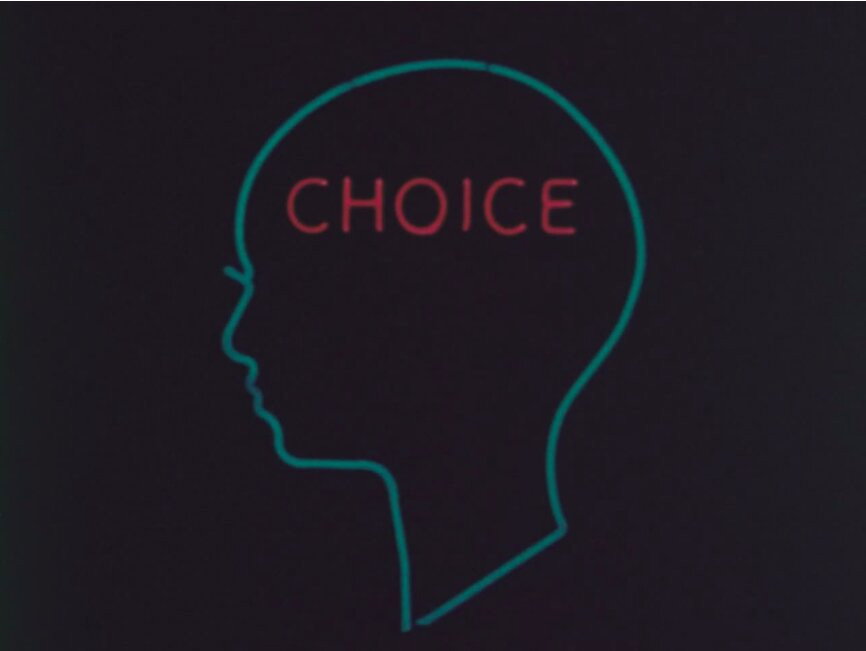
View all seasonsE1. Choice
Sep 5, 1978
Kids at a local tennis club face a series of everyday decisions that reveal the meaning of opportunity cost. Whether choosing between a ball game and an amusement park, food or rides, or how to use limited film and money, each character learns that picking one option always means giving up another. The episode uses simple, relatable moments to show how time, tickets, and resources shape the choices we make.
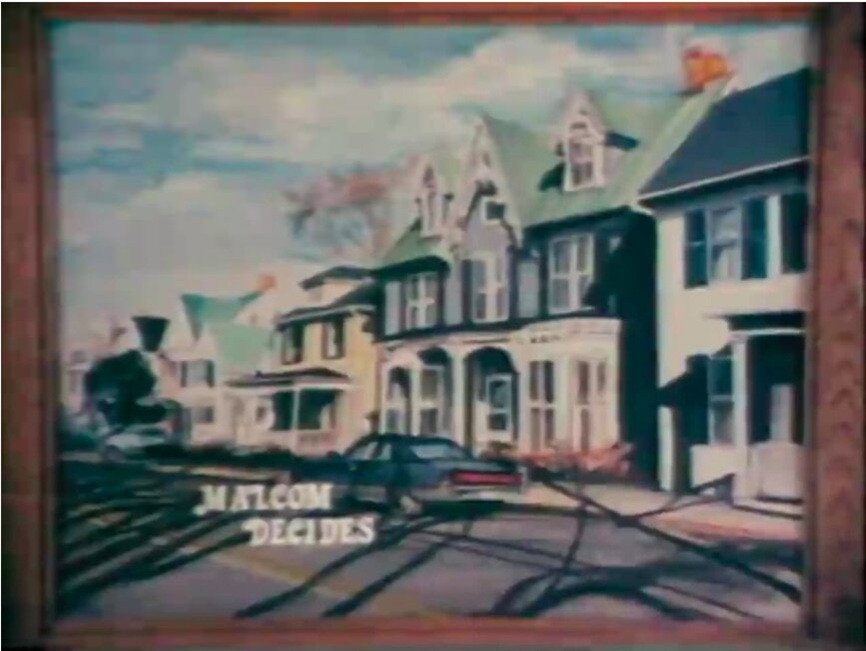
E2. Malcolm Decides
Sep 12, 1978
Malcolm is thrilled to win “Paper Carrier of the Month,” but his $15 gift certificate quickly leads to a tough decision. With several appealing options and only one chance to choose, he works through five steps of decision‑making—defining the problem, listing alternatives, setting criteria, evaluating options, and making a final choice. The episode shows how careful thinking helps Malcolm pick what’s truly right for him.
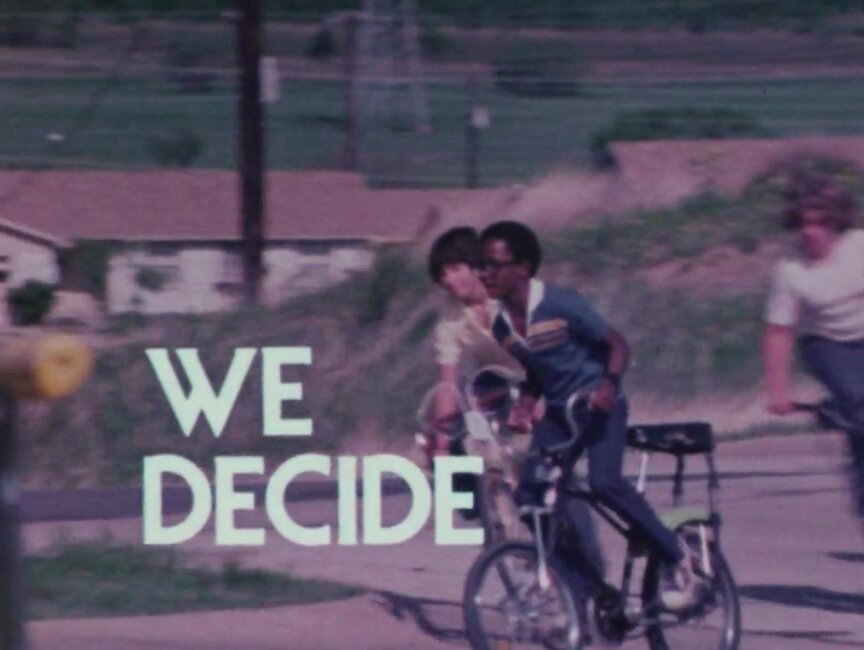
E3. We Decide
Sep 19, 1978
When a school discovers it doesn’t have enough bike‑rack spaces for all the students who ride to class, one group must figure out a fair way to assign the limited spots. As they debate alternatives—first‑come‑first‑served, taking turns, a lottery, longest use, or giving priority to those who live farthest away—they learn how to list options, set criteria, and evaluate trade‑offs. The episode shows how a class uses the five‑step decision‑making model to reach a solution everyone can vote on.
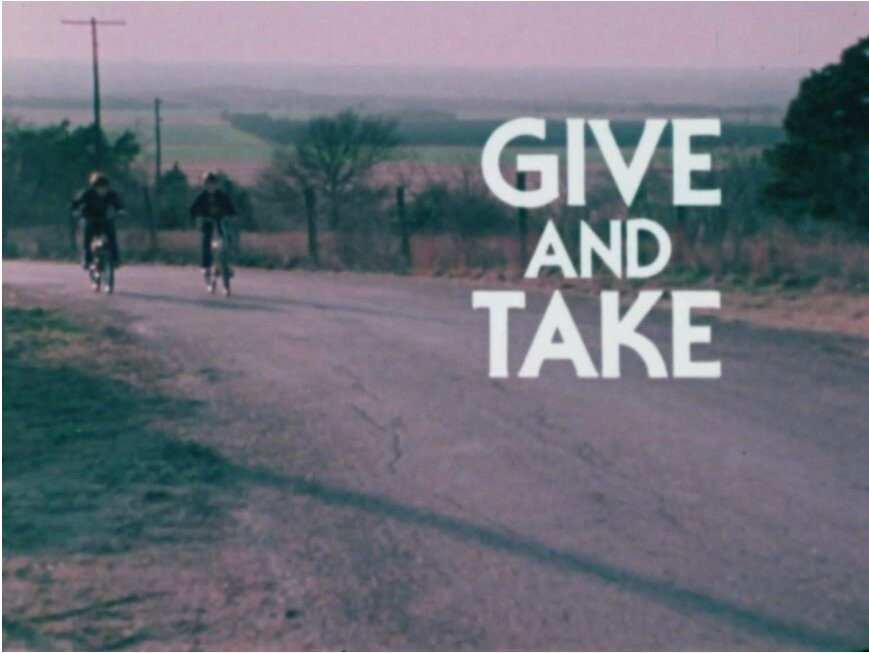
E4. Give and Take
Sep 26, 1978
Two brothers discover that not every decision has to be all‑or‑nothing as they negotiate how to use a limited supply of lumber for both a treehouse and their go‑kart track. At the same time, their father faces his own compromise between helping his sons and watching a big game. The episode expands the idea of trade‑offs, showing how people can give up some of one thing to gain some of another, whether in family decisions or in a town council debate over police protection, road repairs, and clinic funding.
E5. Less and More
Oct 3, 1978
When a family‑run restaurant faces rising costs and long work hours, the owner’s son steps in with new ideas to boost productivity. By introducing changes like a salad bar, delivery rules, and more efficient cooking methods, he shows how using fewer inputs can produce the same—or even greater—output. But increased productivity also brings trade‑offs, as some workers benefit while others lose hours or even their jobs. The episode explores who gains, who loses, and how efficiency reshapes a small business.
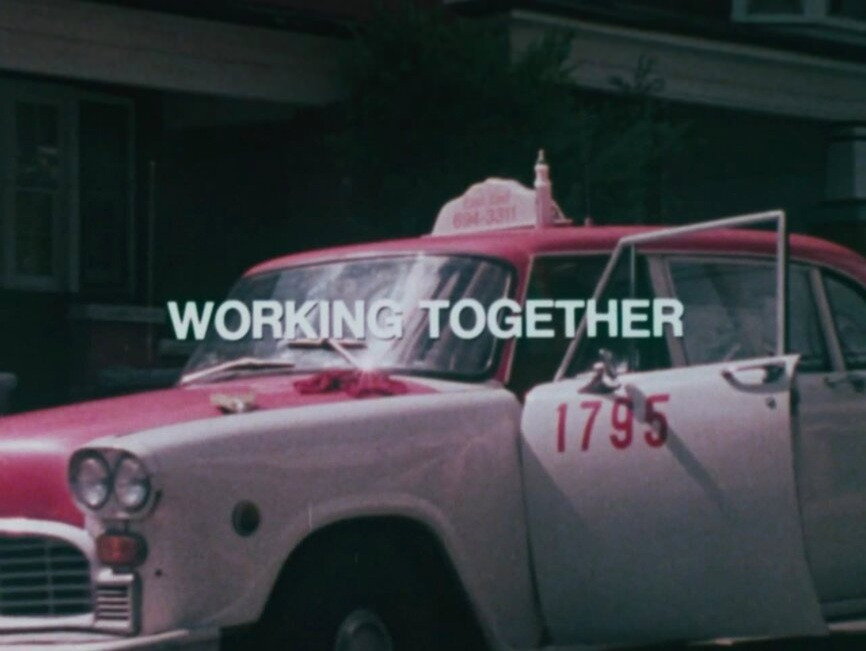
E6. Working Together
Oct 10, 1978
When three friends team up to wash their fathers’ taxis, they discover that dividing the work into specialized tasks dramatically boosts their speed and earnings. But as their small operation grows—and even expands into a service‑station assembly line—they learn that specialization brings new challenges, from unfair workloads to breakdowns when one person or tool is missing. The episode explores how working together can increase productivity, and why every system has trade‑offs.

+9 more episodes — open all seasons to browse every episode.
Cast

More like this

Chiquititas Sin Fin· 2006

Bugsbot Ignition· 2019

Thinkabout· 1979

Agent Ali· 2016
The Kids from 47A· 1973
Study Turtle· 2025
Tuning Mecard GOD· 2025

Raymond Blanc: How to Cook Well· 2013
The French Chef· 1963

Make Your Mark· 2014

Becoming You· 2020

Mothers· 2025

Love Berry· 2024
Ibi· 2015
꼬마농부 라비· 2019

Return of Bok Dan Ji· 2017

The Return of Hwang Geum-bok· 2015
Kaizoku Sentai Gokaiger· 2011