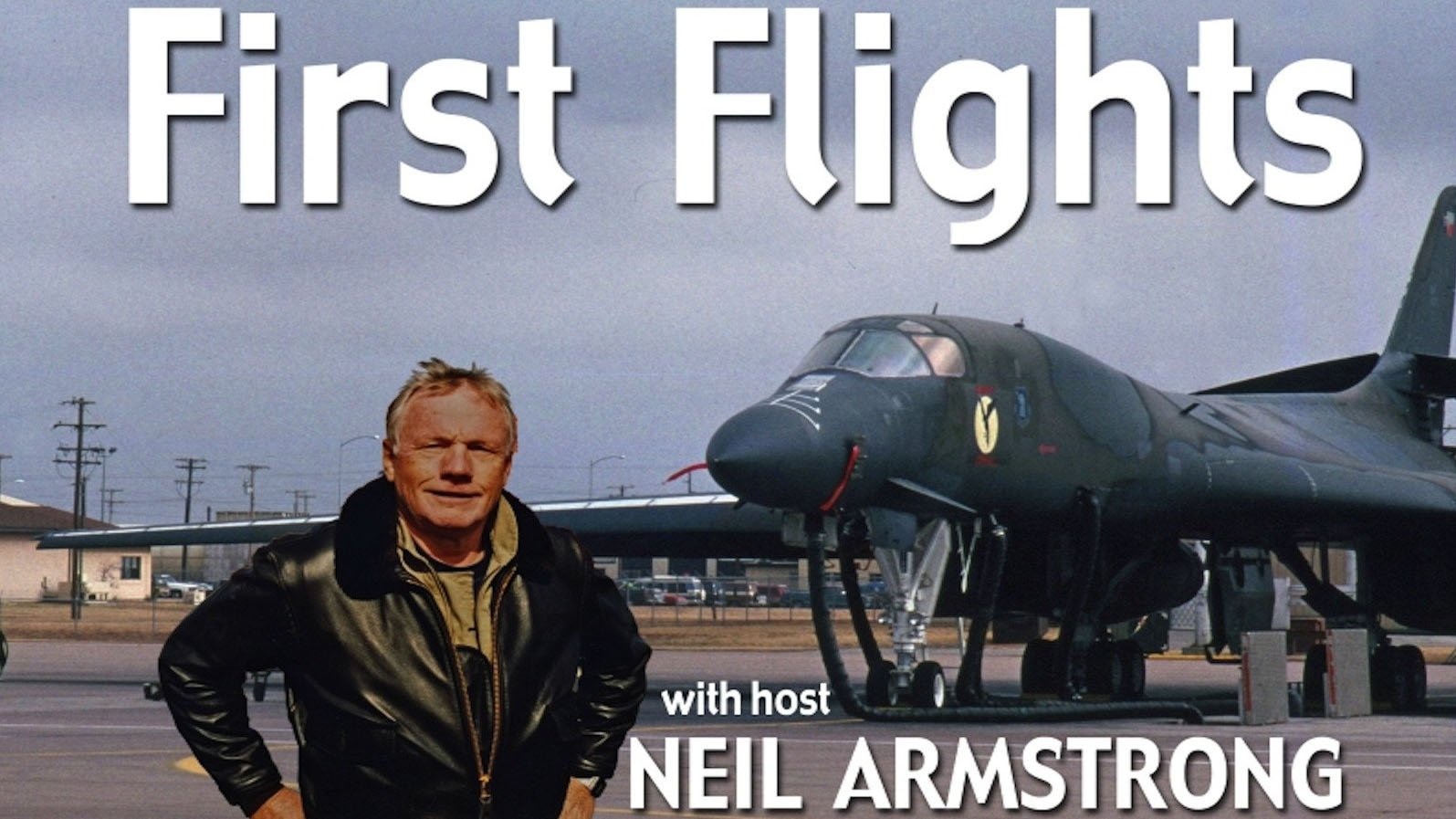

First Flights with Neil Armstrong
- 1991 – 1993
- Ended
- Documentary
- 3 seasons
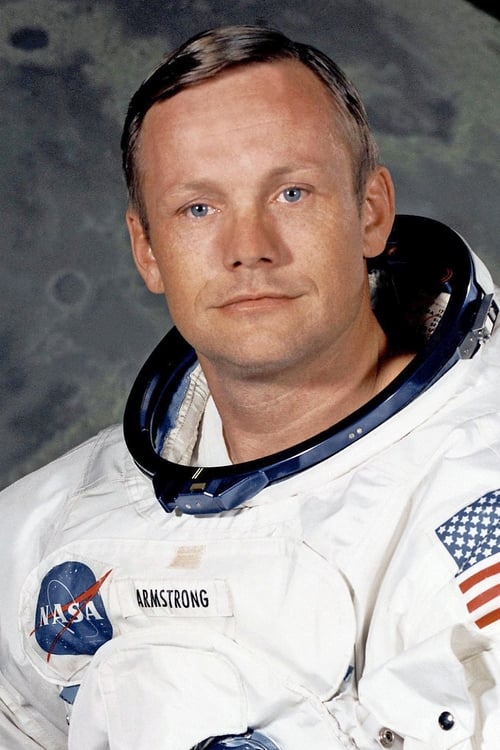
NASA Apollo astronaut Neil Armstrong adds to his long list of space flight & aviation accomplishments as he takes the controls of a variety of flying machines. Each episode blends historic footage, interviews, and flying. Armstrong takes you on an exhilarating adventure through time.
Latest: Season 3 · 1993
View all seasonsSeason 3 focuses on the development of particular technologies within the broader field of aviation.
E1. Whirling Wings - Evolution of the Rotorhead
Sep 8, 1993 · 25m
From Cierva's breakthrough in autogyro design, to the state-of-the-art BK-117, the heart of the helicopter story has been the rotorhead. Early helicopters were complex, dangerous flying machines, prone to failure. For the men and women who took the controls, concentration and daring were essential.
E2. Water Birds - Floatplanes and Flying Boats
Sep 15, 1993 · 25m
By the 1930s, flying boats – massive, airborne ocean liners – opened up global routes for passenger service, while the floatplanes entering the Schneider Trophy races were the fastest, most innovative flying machines in existence.
E3. Jump to the Sky - Jet VTOL
Sep 22, 1993 · 25m
Conventional airplanes need large runways for takeoff and landing, a limitation that concerned defense planners. As turbine engines became lighter, a new type of aircraft became possible — one that could take off and land vertically, yet fly with the speed of jets.
E4. Tail First Flying - the Canard
Sep 29, 1993 · 25m
When the small tail surface wings which enable an airplane to go up or down are moved to the front, they are called canards. It is a technology as old as manned flight — the Wrights used canards on their early airplanes. Canards were rarely used after the first World War until computer technology provided the control needed to make the technology feasible.
E5. First Around The World
Oct 6, 1993 · 25m
Many times in aviation history the ultimate test of aircraft and pilot was to fly around the world. Competition and showmanship always played a part, but in the end it was the mental and physical endurance of the men and women who climbed into the cockpit that made success possible.
E6. Flying Blind
Oct 20, 1993 · 25m
In the early days of flying, instrumentation was crude. A weighted silk stocking tied to a strut could help the pilot gauge his airspeed. Wartime challenged pilots to learn the techniques of blind flying. Today, pilots use orbiting satellites to pinpoint their position, and complex autopilots enable an aircraft to fly itself.
+7 more episodes — open all seasons to browse every episode.
More like this
First Flights with Kate Broug· 2024
The Aviators· 2010
100 Years Ago: From Berlin to the World· 2025
The Age of Aerospace· 2016
Battle of Britain· 2015
Concorde· 2017
Carrier Strike Group 8· 2018

The Lafayette Escadrille: The American Volunteers Who Flew For France in World War One· 2021
The Dambusters· 2020

Planes Gone Viral· 2018
Survival in the Skies· 2017
The Two Lives of Lufthansa· 2026

Sous les cocardes· 2015
Concorde: The Supersonic Race· 2019
The Jumbo Jet: 50 Years in the Sky· 2018
How to Build· 2010
Behind The Wings· 2019
AFP: American Fighter Pilot· 2002