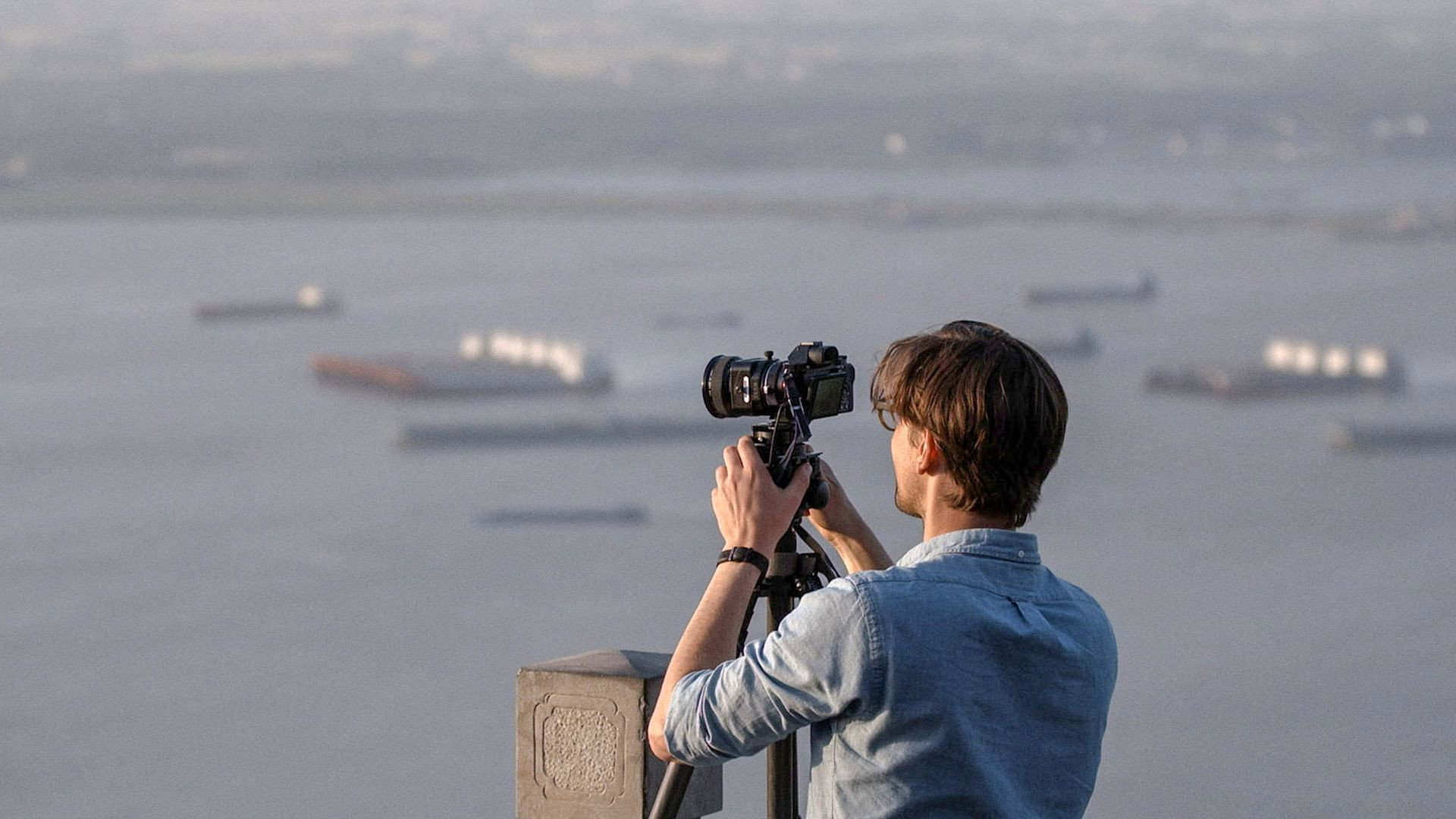

Along the banks of the Yangtze
- 2016
- Ended
- Documentary
- ~44m / ep
- 1 season
- 8.2/10
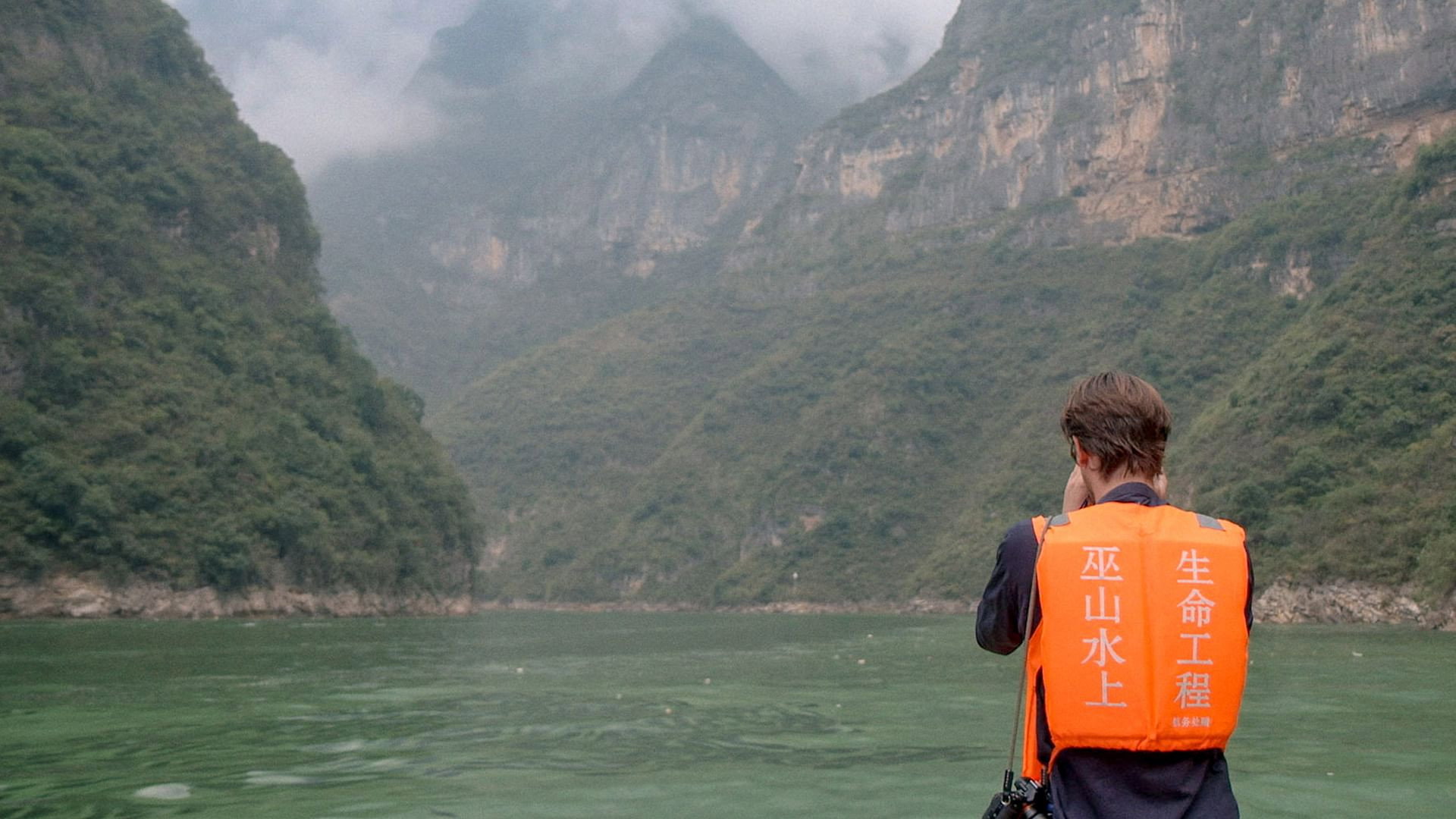
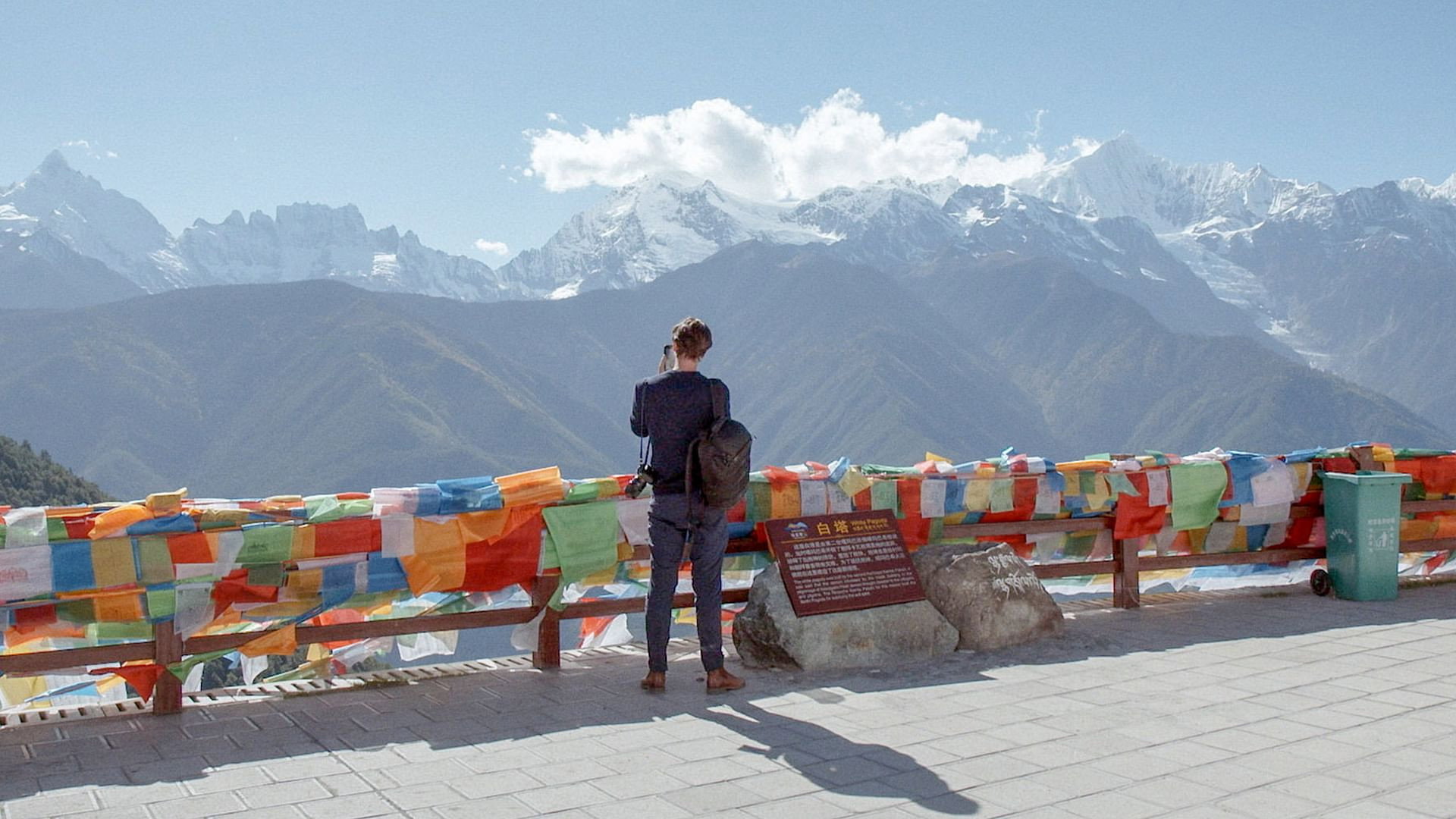
A six-part series in which photographer Ruben Terlou travels from Shanghai, the most westernized part of China, to the much more traditional Tibetan city of Shangri-La. Through the stories of people he meets along the 6,300-kilometre river, Ruben discovers the real China, forty years after Mao’s death.
Latest: Miniseries · 2016
View all seasonsE1. The Chinese Dream
Feb 7, 2016 · 44m
Over the past few years, Shanghai has been inundated with immigrants. The world's largest port city has nearly 10 million newcomers, all seeking to live their dream of being financially successful in this city. Ruben meets some of these dreamers and newcomers and explores the key success factors of Shanghai. For example, a woman can't have too high cheekbones, for that means bad luck. And young migrants really have to get used to the fact that there are no parents to clean up after them as they were used to in the country. But if China's President Xi Jinping has anything to say about it, everything will have to give way to the Chinese Dream - for successful individuals make a successful nation.
E2. Double Happiness
Feb 14, 2016 · 44m
Love and happiness are not left to chance in China. In fact: it is considered a serious problem if a person has not settled down by the age of 30. But how do Chinese men and women find each other? Many highly educated women remain single because it is not common for a man to marry someone of his own class and educational level. And even more worrisome is the fact that, for that same reason, millions of poorly educated men will never have a family of their own. No wonder that there is a bridge in Nanjing across the Yangtze that is notorious for having seen the largest number of suicides in the world. Ruben witnesses a hilarious marriage proposal and takes a flirting course for underprivileged geeks.
E3. On Mao
Feb 21, 2016 · 44m
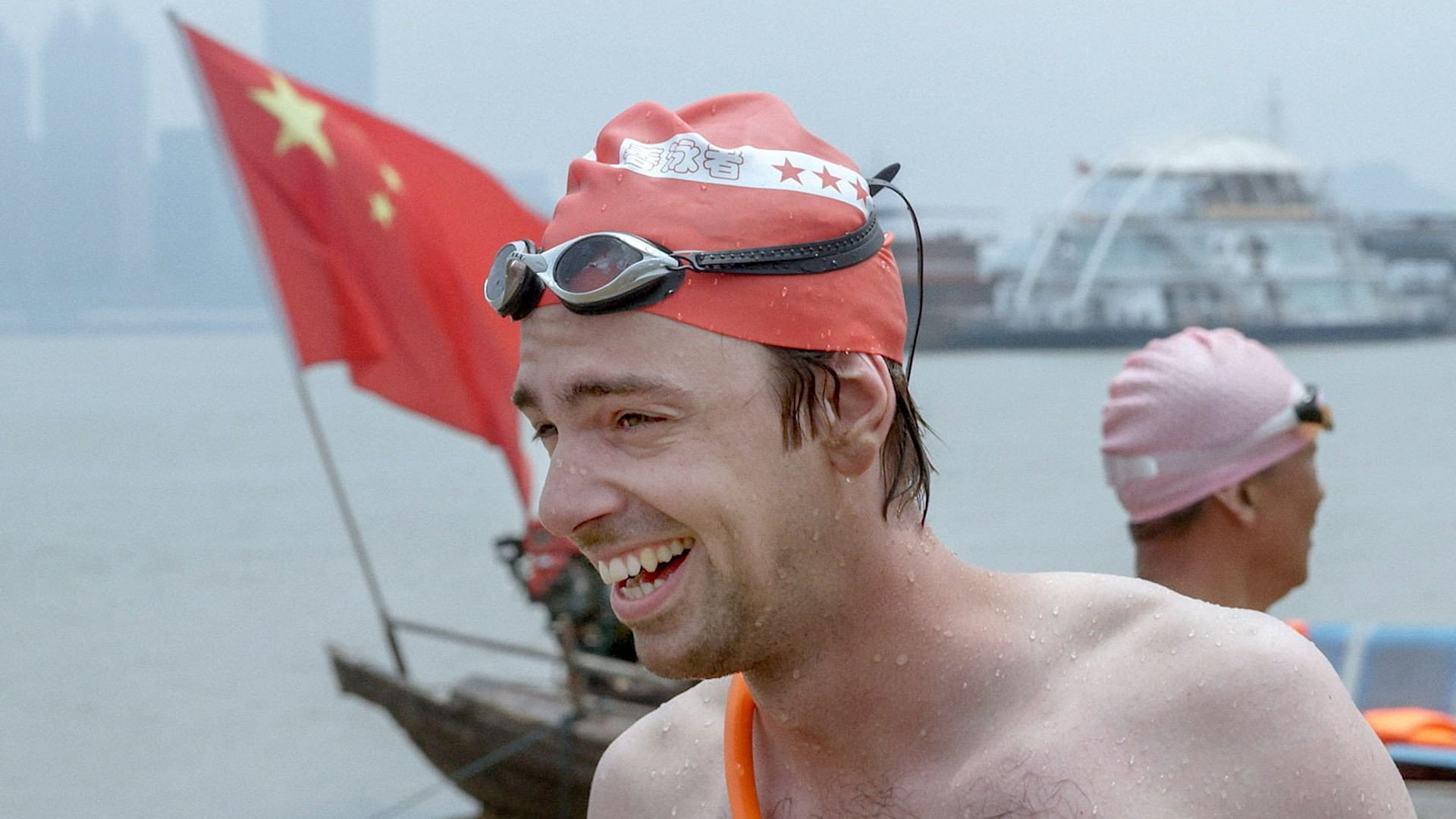
Mao is alive. 40 years after his death, he is still as popular as ever. After all, he was the founder of the People's Republic. And the fact that under his administration tens of millions of citizens died of hunger and violence is counted among the 30% wrong things he did. For 70% of what he did - as the official government position claims - was good. And that 70% no doubt includes his love of swimming. At the risk of losing his life, Ruben crosses the wild River Yangtze swimming, to meet the best-known Mao impersonator of China. And he visits a unique community of fishermen who once fled the famine caused by Mao's Great Sparrow Campaign to settle in the shallow waters of Honghu Lake, where they still live in houseboats, like Kevin Costner in Waterworld.
E4. The Dam
Feb 28, 2016 · 44m
The Three Gorges Dam has taken the place of the Chinese Wall as China's pride and joy in terms of man-made structures. With a capacity of 15 times the Borssele plant, this dam is the largest hydropower station. It is considered a great victory over nature. But nature as well as mankind have had to sacrifice a lot too. 90 villages and 13 cities disappeared into the water. And Chinese nature organizations worry about the fate of the Chinese river dolphin - or river pig, as the Chinese call this endearing creature. Ruben is given permission to view the interior of this immense dam, and sails the stagnant water on a cruise ship filled with Chinese tourists - while the ship's crew dream of the old days when they were working as fishermen on the wild river.
E5. Leisure in China
Mar 6, 2016 · 44m
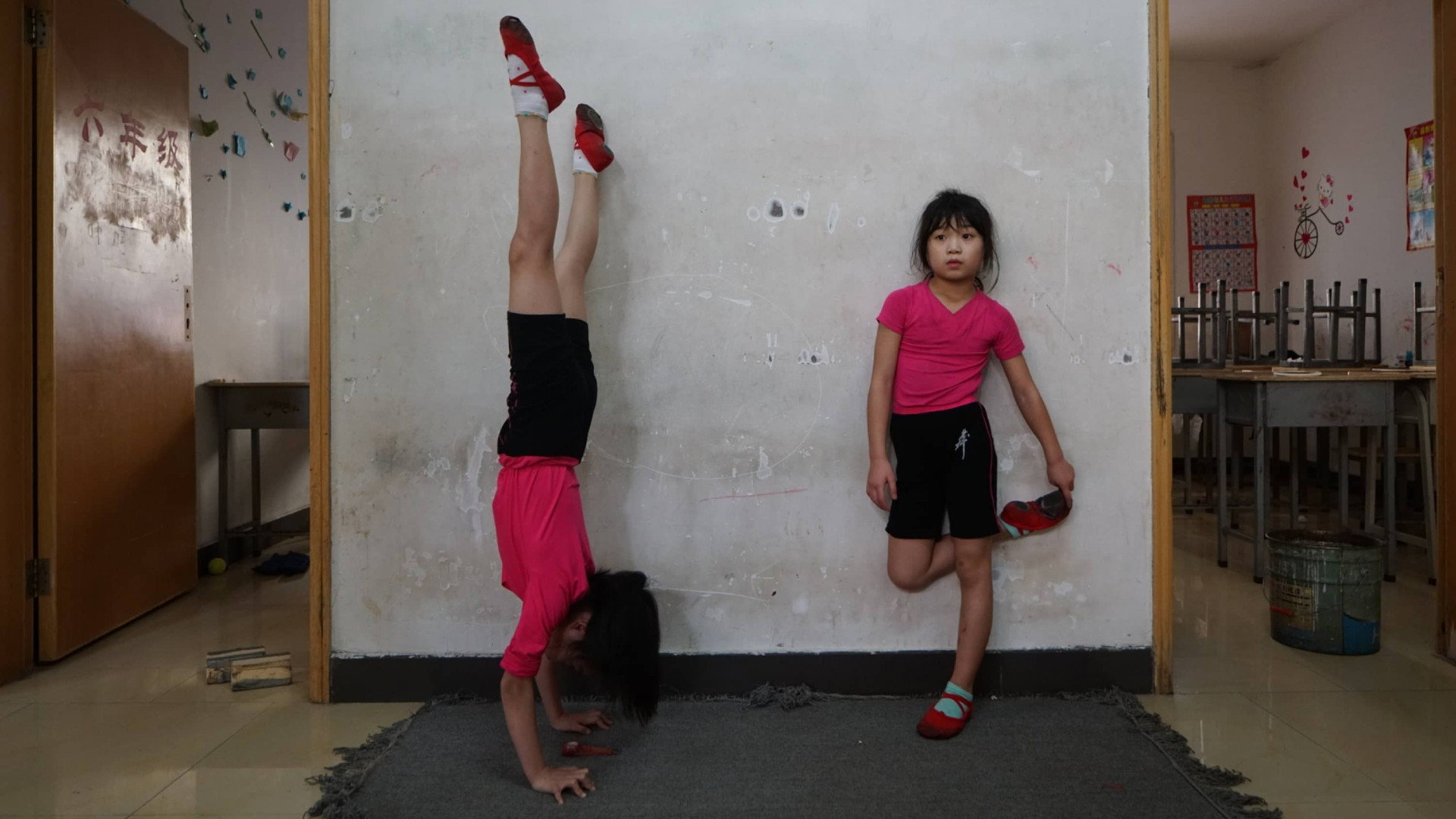
Leisure in China is a public and massive thing. Whether it's Mahjong tournaments, acrobatics or street dance, everything happens in the central squares in the cities, and preferably with lots of people at the same time. For a talent to risk the leap from the city square to a professional career in the entertainment industry is not all that easy in China. It's a step that requires a great deal of sacrifice. Competition is keen and success is definitely not guaranteed. Ruben dives into the world of acrobatics, where young talents are submitted to a strict training regime, far away from their parents. He meets dancer Bi Gang, who teaches dance to thousands of people in the main square in Chongqing every week, and he visits the Dwarf Empire amusement park, which is run by little people who, in regular Chinese society, did not have any chance of living a normal life, and have created their own community in the park.
E6. Motorway to Tibet
Mar 13, 2016 · 44m
The River Yangtze flows along the mountain sides of the Himalayas before taking a sharp turn in the direction of Shanghai. In this area, we should still be able to find the authentic China, but for a huge motorway that was constructed here five years ago and is responsible for the rapid development of the remote district. This has great consequences for the minorities that live here, such as the Miao and the Tibetans. Ruben lives among them and discovers ancient traditions and customs, such as local traditional medicine and ritual funerals, which slowly seem to be disappearing. Modern China advances, but how do these minorities feel about that themselves?

More like this

Wild On...· 1999
The Crime of the Century· 2021

Makłowicz w podróży· 2008
La petite séduction· 2006
Orlando Bloom: To the Edge· 2024

The Island Diaries· 2016
Martin Clunes: Islands Of Britain· 2009
30 Days· 2005
World Laughs· 2016

Special Delivery· 2018

Penelope Keith's Coastal Villages· 2017

Lenny's Britain· 2007

Metropolis· 2015

Folkeopplysningen· 2012
Traveler· 2019

Ríos del mundo· 2020
Primal Survivor: Escape the Amazon· 2022

Joanna Lumley's Spice Trail Adventure· 2023