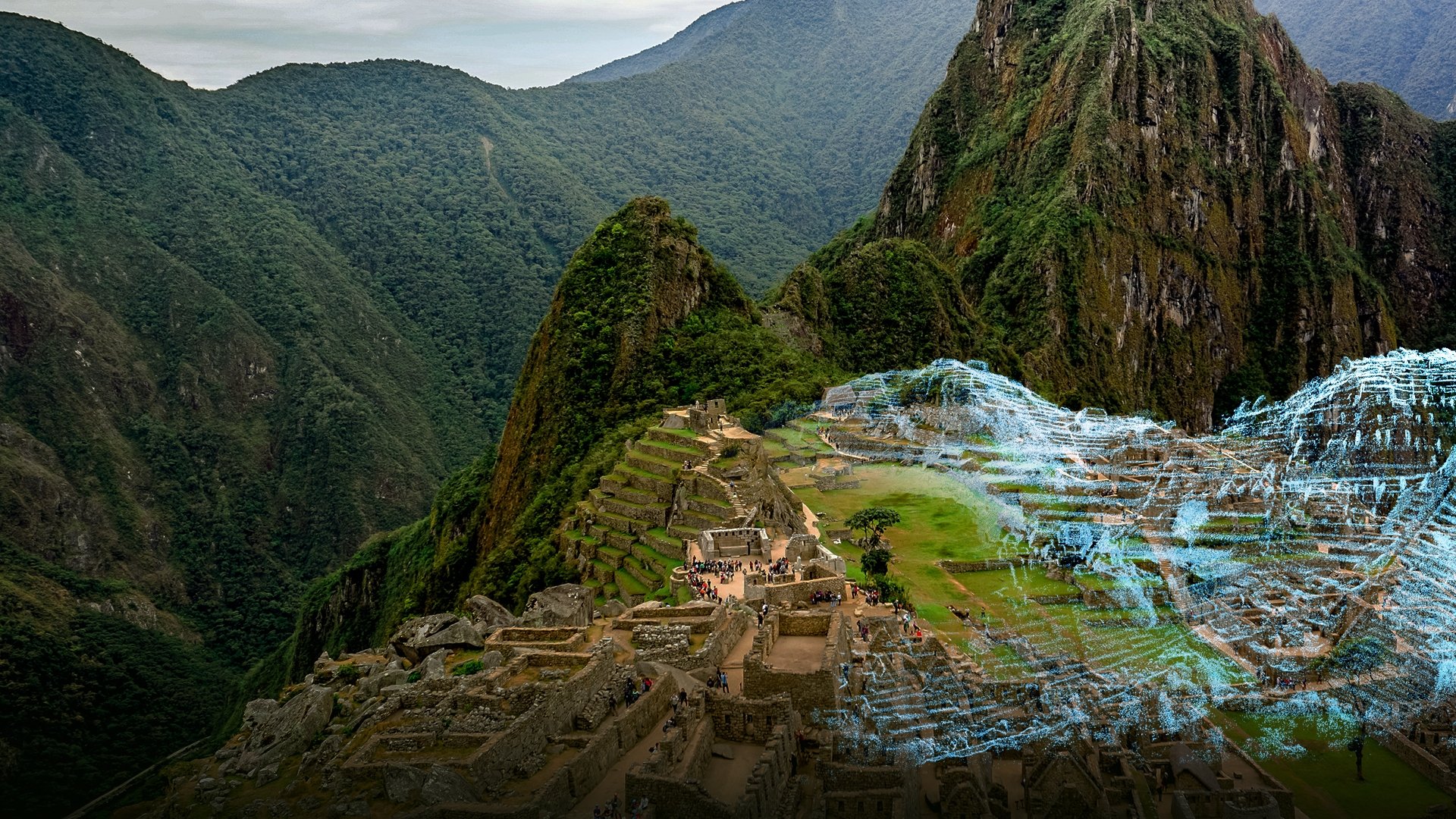

Time Scanners
- 2014
- Ended
- Documentary
- ~45m / ep
- 1 season
- 9.0/10
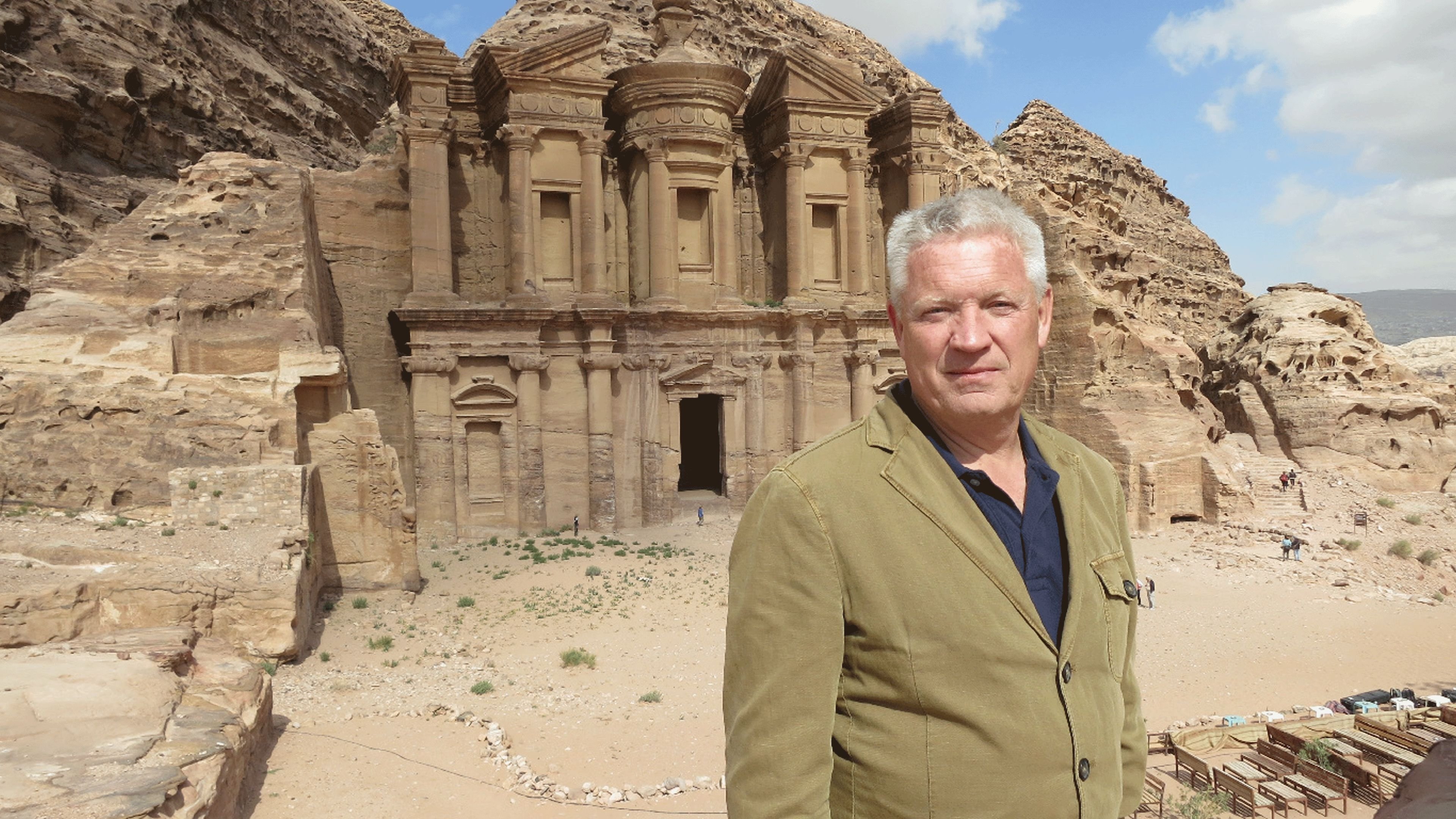
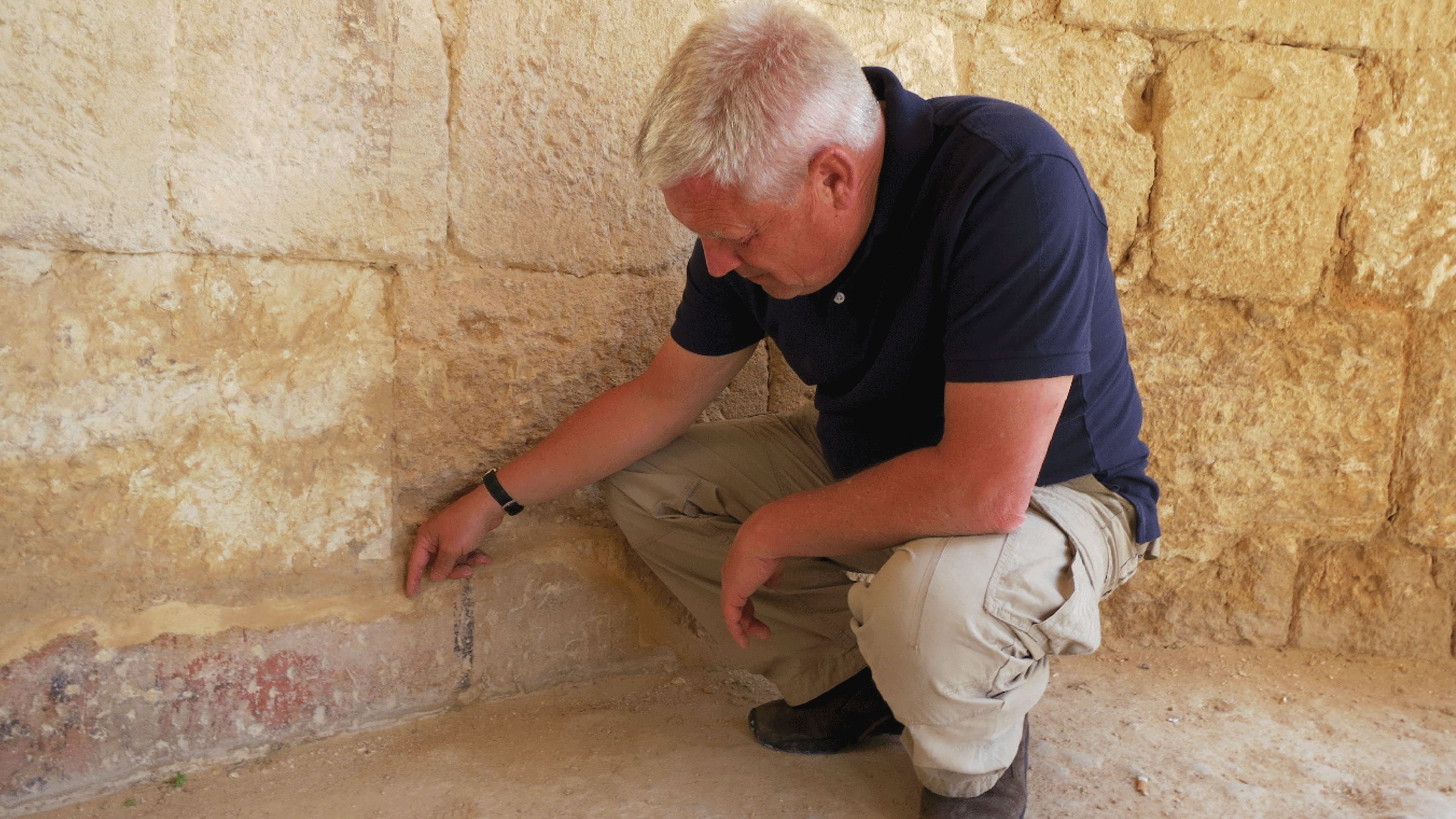
This is your chance to reach out and touch the past! Just as a forensic anthropologist analyses bones, and a historian deciphers ancient texts, we now have the technology to "read" the buildings, ruins and landscapes where history was made. The series, presented by Dallas Campbell, teams Steve Burrows (pictured), the brains behind the Bird’s Nest Stadium in Beijing, with a team of pioneering laser scanning experts from the Centre for Advanced Spatial Technologies to unlock the secrets of the world’s greatest engineering and cultural achievements. Locations include the Colosseum, Petra, Machu Picchu, St. Paul’s Cathedral, the Pyramids and Jerusalem.
Latest: Season 1 · 2014
View all seasonsE1. Petra
Feb 1, 2014 · 45m
Steve and the team head to the ancient city of Petra to find answers to ancient questions by using cutting-edge 3D laser-scanning technology.
E2. St. Paul's Cathedral
Feb 8, 2014 · 45m
Structural engineer Steve Burrows takes his team of laser-scanning experts to London’s St Paul’s Cathedral to gain new insight into this iconic architectural masterpiece.
E3. Egyptian Pyramids
Feb 15, 2014 · 45m
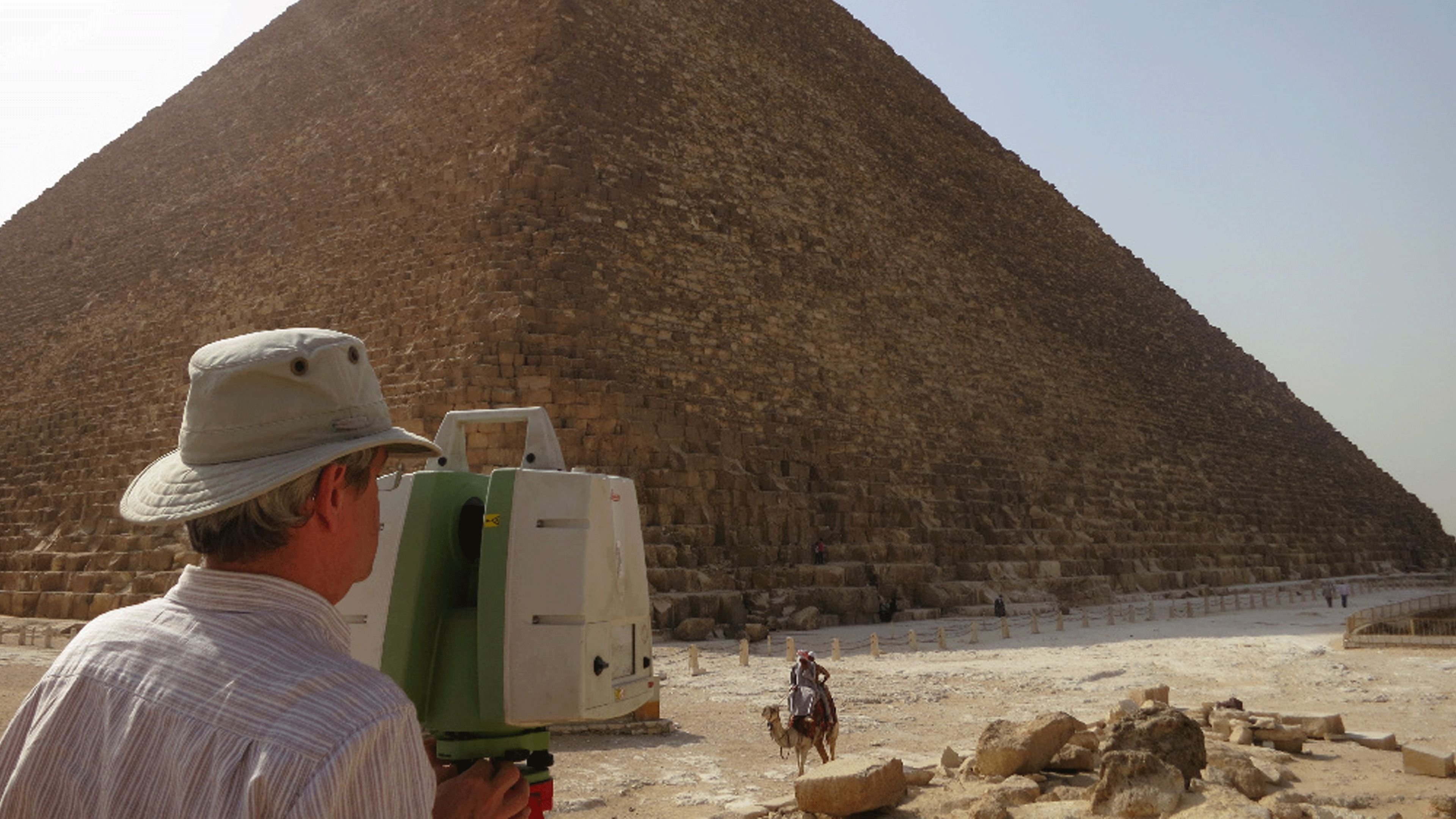
Structural engineer Steve Burrows and the team head to the pyramids in Egypt, where they use cutting-edge 3D laser-scanning technology to reveal how the Egyptians built some of the most advanced structures of ancient times
E4. Colosseum
Feb 28, 2014 · 45m
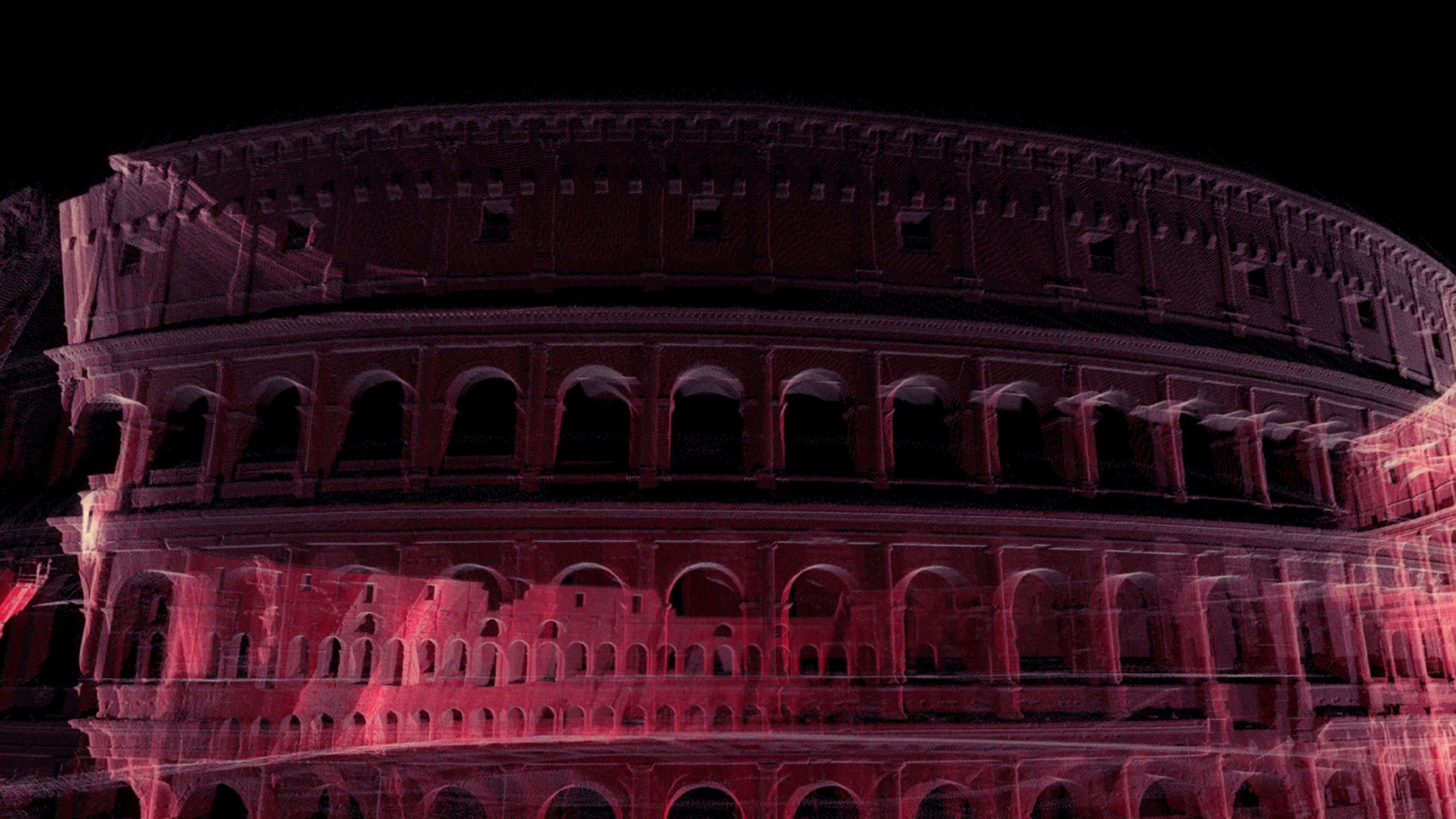
Structural engineer Steve Burrows leads a team of laser-scanning experts to Rome in Italy on a quest to explore mysteries at the Colosseum using cutting-edge laser-scanning technology.
E5. Jerusalem
Mar 7, 2014 · 45m
The Time Scanners team heads to Jerusalem to uncover secrets of the Temple Mount and the Herodium.
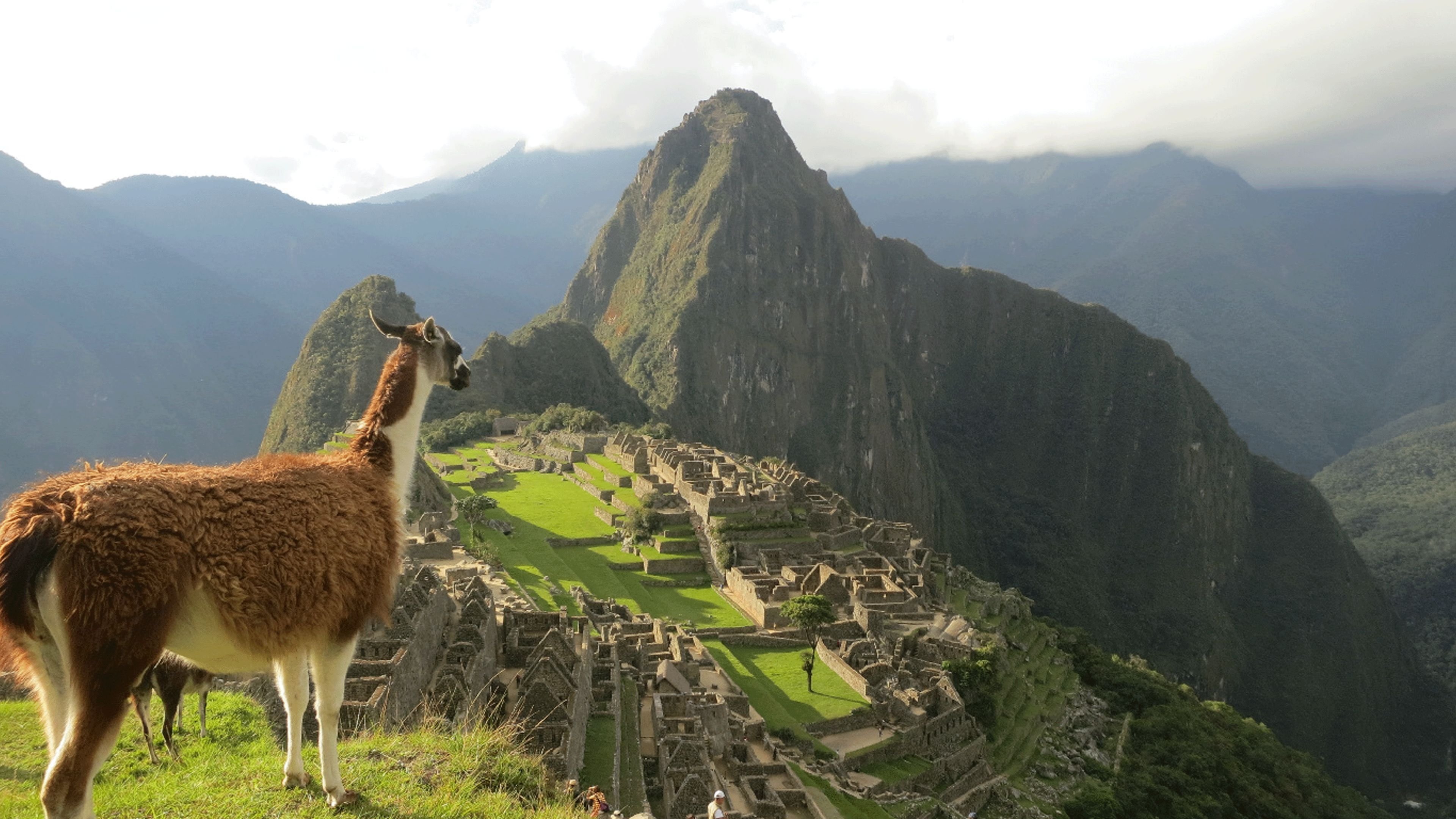
E6. Machu Picchu
Mar 14, 2014 · 45m
How did the Inca build such stable structures, and how did they manage to move the stones into place?


More like this
Speed· 2019
The Jumbo Jet: 50 Years in the Sky· 2018
Ancient Egypt - Life and Death in the Valley of the Kings· 2014
How to Build· 2010
The Hairy Bikers' Restoration Road Trip· 2013
MythBusters· 2003
Mega Manufacturing· 2019
1000 Days of Fear: The Deadly Race at Los Alamos· 2015
Alma Matters: Inside the IIT Dream· 2021
Lost Cities with Albert Lin· 2019
Buried Secrets of the Bible with Albert Lin· 2019
Rise of the Machines· 2014
Building the Impossible· 2020
The Secret Life of Machines· 1988
Power: Engineering Energy and Speed· 2017
Exceptional Engineering· 2018
Ian Hislop's Trains That Changed the World· 2021

Air Warriors· 2014