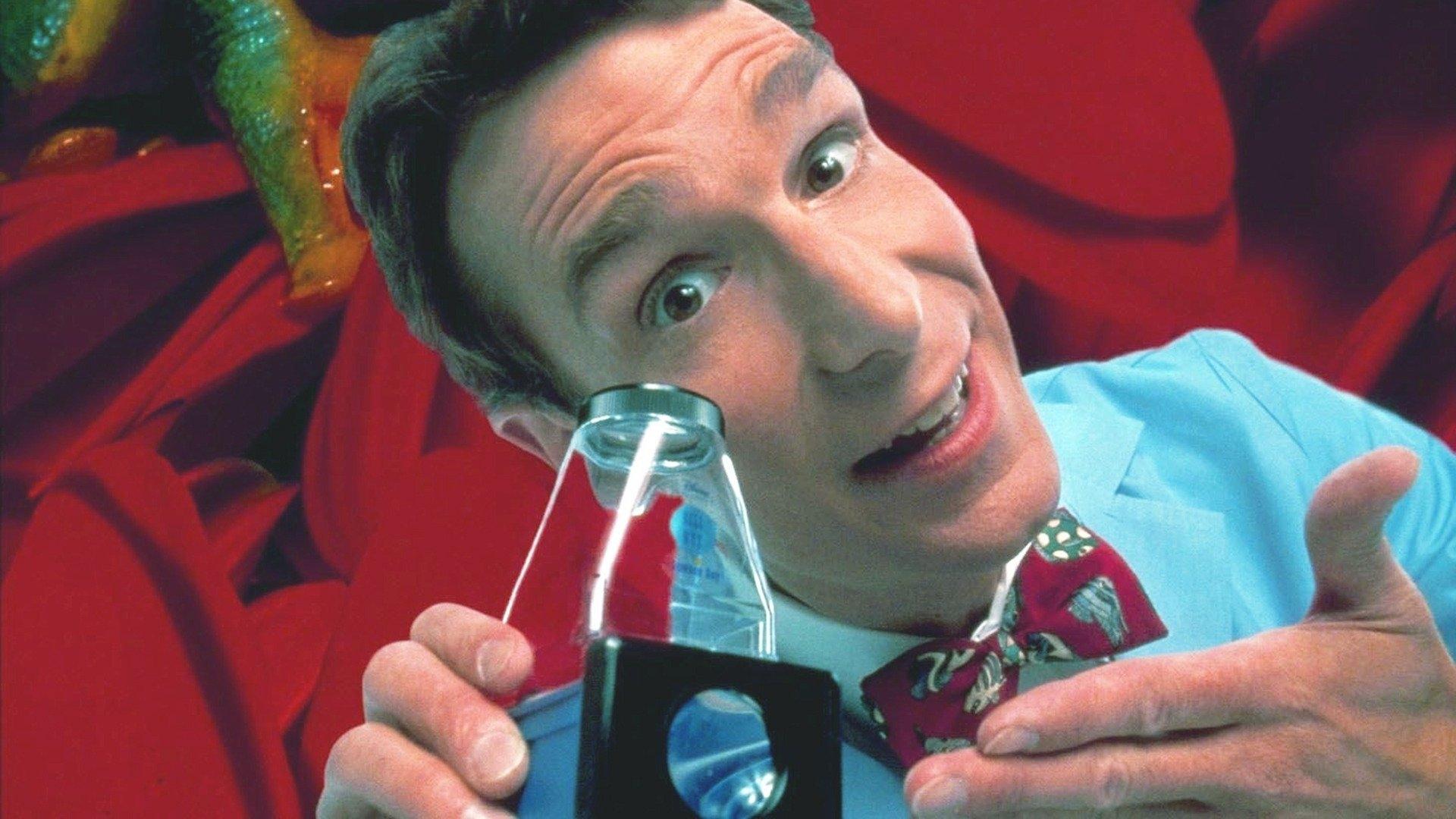

Bill Nye the Science Guy
- 1993 – 1998
- Ended
- Comedy · Documentary · Kids
- ~26m / ep
- 5 seasons
- 7.3/10
It's "Mr. Wizard" for a different decade. Bill Nye is the Science Guy, a host who's hooked on experimenting and explaining. Picking one topic per show (like the human heart or electricity), Nye gets creative with teaching kids and adults alike the nuances of science.
Latest: Season 5 · 1997
View all seasonsE1. Forensics
Sep 19, 1997 · 26m
Forensic scientists try to find out the who, what, when, where, and why of events in the past – crimes. Most forensic scientists work in police labs. They collect evidence from the scene of a crime and analyze the evidence in a lab. Forensic scientists look for clues that will help them solve a crime. Fingerprints, footprints, hair, blood, and traces of gunpowder can be helpful evidence. Forensic scientists use all sorts of scientific instruments to analyze even the smallest bit of hair or the tiniest chip of paint. By scientifically testing evidence from the crime scene, and by knowing about evidence from past cases, forensic scientists can piece together what happened, to figure out who did what, and to help police catch a criminal.
E2. Space Exploration
Sep 26, 1997 · 26m
Space is hard to explore, because it’s really, really big. Most things in space are so far away that people we build special equipment just to see them. We use telescopes to magnify far-away solar systems, planets, and stars. Rockets send astronauts past the Earth’s atmosphere. Space probes with special cameras send back pictures of planets for scientists to study. Astronauts perform experiments in orbit around the Earth. We do all these things and more to learn more about our universe.
E3. Genes
Oct 17, 1997 · 26m
The color of your eyes, the shape of your nose, and the straightness (or curliness) of your hair depend on your genes. Not jeans the pants, but genes, the long strands of chemicals in your cells. Genes are like a blueprint for your body, and your cells follow the blueprint to build you. All living things have genes in their cells. You get your genes from your parents – half from your mom and half from your dad. Your parents got their genes from their parents, your grandparents. Living things pass down their genes from generation to generation. Genes from a mother’s egg cell mix with genes from a father’s sperm cell to make a complete set of plans for a baby. Baby humans, baby dogs, and baby plants all grow up to look like their parents because of genes.
E4. Architecture
Oct 24, 1997 · 26m
Towers, teepees, castles, and condominiums – some kind of planning goes into all buildings, no matter how big or small. Architects are people who design buildings, and the areas around buildings. Usually architects draw on a computer or a big desk (a drawing board). The plans show the dimensions of all parts of a building. Architects try to design with the purpose of the building in mind, but even buildings used for the same thing can look very different.
E5. Farming
Oct 31, 1997 · 26m
Before food gets into your kitchen, before it even gets to the store, it’s on a farm. Almost everything we eat is grown on a farm, an area of land used to raise animals and plants. Farming nowadays can get pretty complicated. Farmers are scientists – agricultural scientists. Farmers work hard to keep their farms healthy. Soil is stirred up to get oxygen to the microorganisms that live in between the grains and to plant roots – that’s called tilling the soil to aerate it. Plants need to be protected from pests with either chemical pesticides or biological pesticides. Animals like bats and friendly insects eat other pest insects (chomp,chomp). Animals are milked, corralled, fed, sheared, slaughtered or cleaned-up after.
E6. Life Cycles
Nov 14, 1997 · 26m
My, how you’ve grown! The popular exclamation from your Auntie may be no great revelation, but growing bigger is a part of life. In fact, it’s part of the whole cycle, or pattern, of human life that began with your birth. The different stages in life are called life cycles. Humans aren’t the only ones with life cycles. At first, you might think that you have nothing in common with a cactus in the desert, or a fish in the sea, or the mold in your gym shoe, but you do. You’re all alive. You all have or will experience birth, growth, reproduction, aging, and eventually, death.

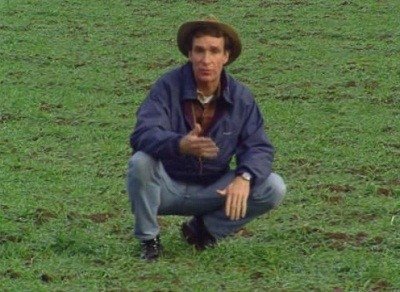

+14 more episodes — open all seasons to browse every episode.
Trailers & more
More like this
How to Build· 2010
Rosie and Jim· 1990
Jim Henson's Animal Show with Stinky and Jake· 1994
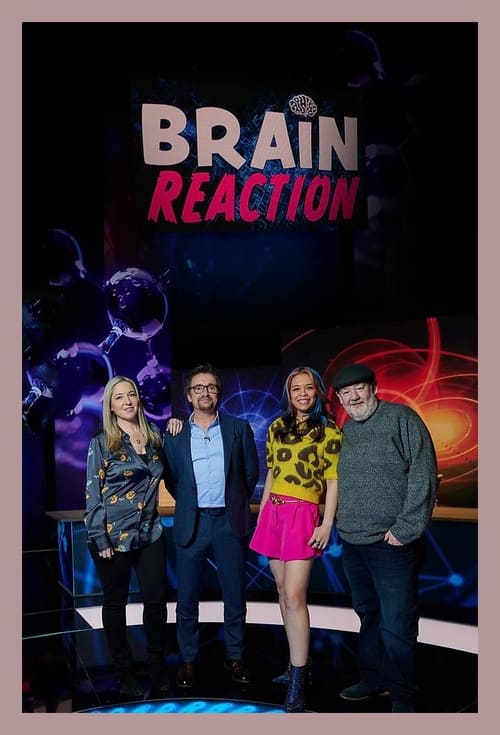
Richard Hammond's Brain Reaction· 2022
Curious George· 2006
Tim Rex in Space· 2025

How 2· 1990
Flash Gordon· 2007
Histoire des mesures de la vitesse de la lumière· 2006
Earth from Space· 2019
MythBusters· 2003
Cosmos: A Personal Voyage· 1980
Gangster Newton
Secrets of the Sun with Dara Ó Briain· 2024
昆塔因为所以· 2018

Hyper Space War· 2023
Olympus: A Retrospective· 2023
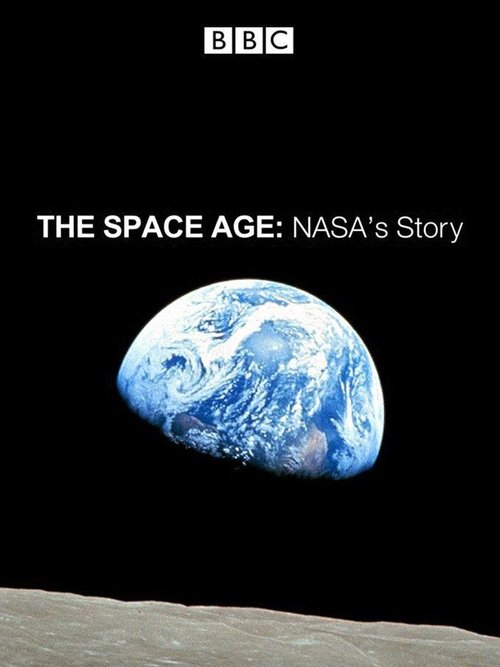
The Space Age: NASA's Story· 2011