
BOSAI: Science that Can Save Your Life
- 2020 – 2026
- Returning Series
- Documentary
- ~15m / ep
- 1 season
Japan has a long history of natural disasters. BOSAI explores how to overcome them and save lives with the power of science.
Latest: Season 1 · 2020
View all seasonsE1. Tsunami
May 1, 2020 · 15m
Japan has a long history of natural disasters. BOSAI explores how to overcome them and save lives with the power of science. This first program is about tsunami. First, we visit ruins in Miyagi Prefecture from the 2011 Great East Japan Earthquake, and learn how the psychological state of "normalcy bias" affects humans in a disaster. We also look at the characteristics of a tsunami, and new initiatives created with the aid of a supercomputer to help with evacuation drills and other countermeasures.
E2. Urban Flooding
Sep 5, 2020 · 15m
Japan's cities are often located in low-lying areas along rivers and are paved with concrete and asphalt, putting them at risk of flooding in the event of heavy rain. In recent years, significant damage has been caused by overflowing drains and backflow along drainage channels. In this program, we'll look at the unique mechanisms of urban flooding and explore ways to protect against disaster.
E3. Urban Windstorms
Jan 11, 2021 · 15m
Typhoon Jebi, which struck Osaka Prefecture in 2018, is said to be the first typhoon to have hit a modern metropolis in Japan, and many buildings were damaged. According to experts, the destruction of those buildings could not be explained by the maximum instantaneous wind speed observed by the Japan Meteorological Agency. Urban structures may be to blame. Researchers believe that eddies of wind intensify around high buildings, causing sudden gusts of strong winds that exceed the observed values. In this episode, we will scientifically analyze the mechanism of sudden urban windstorms and explore ways to save lives.
E4. Long-period Ground Motion and A New Threat
Jan 31, 2021 · 15m
In the 2011 Great East Japan Earthquake, high-rise buildings in Tokyo's Shinjuku district, some 400 kilometers away from the epicenter, continued to sway significantly for 13 minutes. This is thought to have occurred when the high-rise buildings experienced resonance from the earthquake's "long-period seismic motion." Furthermore, in the 2016 Kumamoto earthquakes, a type of motion called a "long-period pulse" was recorded for the first time in Japan, presenting a new challenge for earthquake countermeasures. In addition to examining these types of earthquake motion, we'll also look at the effects of earthquakes on buildings and explore ways to save lives.
E5. Localized Torrential Rain
Jun 19, 2021 · 15m
Localized torrential rain is occurring with greater frequency in Japan. Flash floods from the heavy rain not only cause rivers to overflow but threaten homes and human life. This kind of weather has been difficult to predict, given the short timeframe between the formation of cumulonimbus clouds and the onset of rain. Yet a new type of radar called "phased-array radar" and a simulation using a Japanese supercomputer have been developed to forecast local downpours 10 minutes in advance. In this episode, we'll take a closer look at how the latest technology is being used to forecast localized torrential rain and protect lives.
E6. Debris Flows
Jul 10, 2021 · 15m
An increase in heavy rainfall in recent years has made debris flows a frequent problem in Japan. We'll look at research underway to help with their early detection and explore ways to protect lives.In recent years, debris flows have become more frequent in Japan due to an increase in heavy rainfall. Given that about 70% of Japan's land area is covered by mountains and forests, they have become a significant issue. After large-scale debris flows struck parts of Hiroshima Prefecture in 2014 and 2018, scientists found that debris flows tend to start out small and then repeatedly recur, causing significant damage. Research is now underway to determine the locations where debris flows are likely to occur based on topographical and geological data, and install sensors that can detect the very first debris flow. Information from these sensors can then help residents evacuate as quickly as possible. In this program, we'll introduce the latest research to save lives from debris flows.

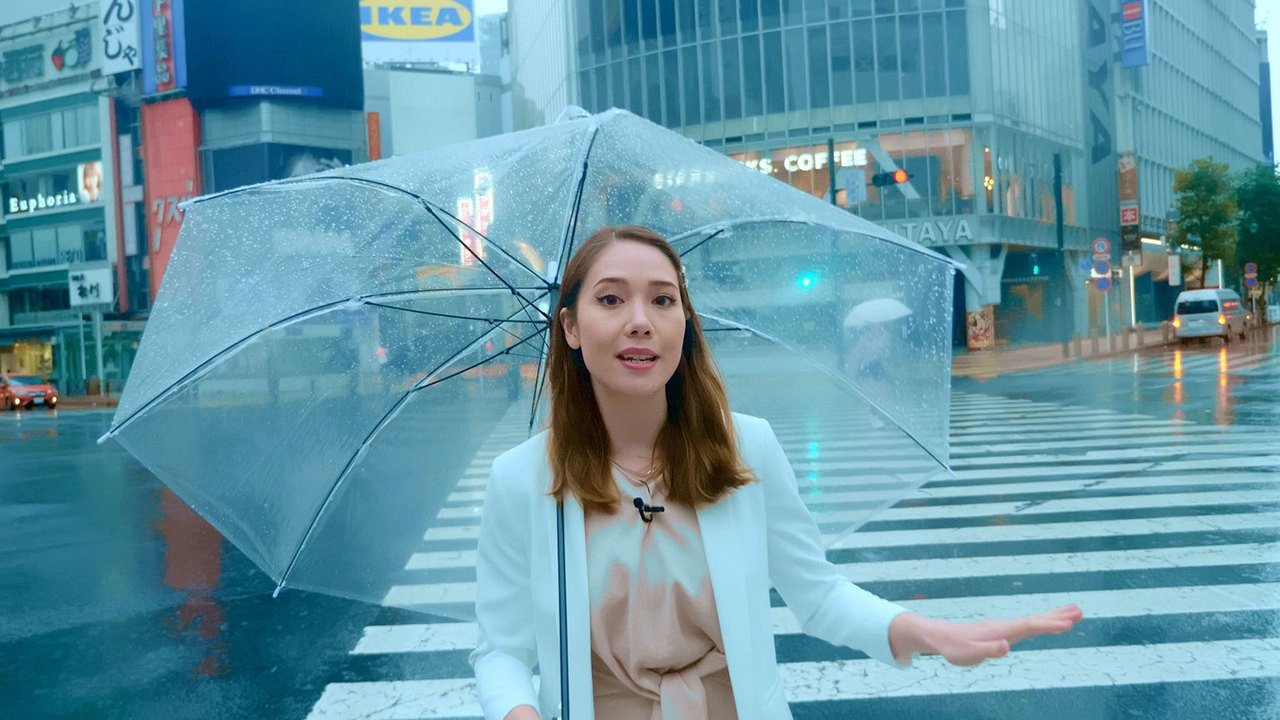




+59 more episodes — open all seasons to browse every episode.

More like this

History of the Earth· 2020
Deadly Disasters· 2019

Surviving Disaster· 2006

Floods - Challenging our Future· 2016
Tsunami· 2021

Aftershock: Everest and the Nepal Earthquake· 2022
Volcano Stories· 2019

Tsunami: Race Against Time· 2024

The Great Acceleration· 2020

Earthstorm· 2022

Rogue Earth· 2017
The Great Kanto Earthquake: Three Days of Ruin in Tokyo· 2023

Beneath New Zealand· 2016

A Perfect Planet· 2021

The Dinosaurs· 2026
Pompeii: The New Dig· 2024

What Happened Next?· 2008

Make It Out Alive· 2017