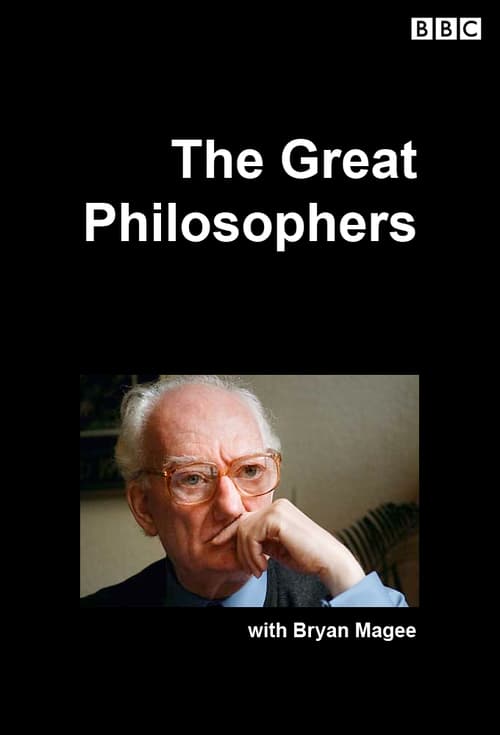

The Great Philosophers
- 1987
- Ended
- Talk
- 1 season
- 6.0/10
Bryan Magee traces the history of western philosophy over two millennia, discussing the ideas of the past with an expert guest or contemporary philosopher.
Latest: Season 1 · 1987
View all seasonsE1. Plato
Sep 6, 1987 · 43m
The dialogues of Plato are analyzed in this program by Cambridge philosophy professor Miles Burnyeat. Seeing Plato's ideas initially as extensions of those of his teacher, Socrates, Burnyeat explains the development and content of Plato's original; doctrines of knowledge as virtue, the immortality and tripartite division of the soul, and the theory of forms (ideas). Plato's political philosophy is discussed within the context of the notion of the ideal state—a political utopia ruled by philosopher kings.
E2. Aristotle
Sep 13, 1987 · 43m
In this program, the far-reaching philosophical ideas of Plato's star pupil are examined by noted Brown University professor Martha Nussbaum. Aristotle overcomes Plato's dualism of the intelligible and sensible worlds with his principle of inseparable nature of eternal matter and form. The principles of potentiality and actuality are examined, along with Aristotle's theory of the four causes—material, formal, efficient, and final—which account for changes in all things. These theories of constancy and change are credited with the progress of scientific inquiry over the ages.
E3. Medieval Philosophy
Sep 20, 1987 · 43m
This program examines the ideas of the medieval philosophic theologians, particularly St. Thomas Aquinas. Oxford medieval philosopher Anthony Kenny discusses Aristotelian logic as the basis of Aquinas' thought, and disputes charges that medieval philosophy merely reinforced extant Christian views. Logical methods employed by Aquinas are discussed as precursors of the scientific methodology of later philosophers, such as Descartes.
E4. Descartes
Oct 4, 1987 · 43m
I think, therefore I am. Rationalist philosopher and mathematician René Decartes, considered the father of modern philosophy, held this as self-evidently true. In this program, Bernard Williams of Kings College examines Decartes' theory of knowledge and his use of skeptical inquiry to affirm reality, including the existence of God. Descartes' theory of physical and mental substances, and Cartesian dualism—which allows the concept of science to coexist with the notion of God—are examined.
E5. Spinoza and Leibniz
Oct 11, 1987 · 43m
The ideas of rationalist philosophers Baruch Spinoza and Gottfried Leibniz are examined in this program by philosophy Anthony Quinton. Spinoza favors a pantheistic God who has matter and mind as two attributes, and who is the ultimate substance and explanation of the world. Leibniz sees the real world as consisting of an infinity of things purely spiritual, where everything, including space, is a phenomenon—a by-product of areal world with an infinite array of spiritual centers. Both philosophers construct a world that is very different form what the average person perceives, and both reject Cartesian duality.
E6. Locke and Berkeley
Oct 18, 1987 · 43m
This program examines the philosophies of British empiricists John Locke and George Berkeley. Philosopher Michael Ayers of Oxford interprets Locke's skeptical theory that all knowledge is sensory and speculative, and that the true nature of the world can never be known as an attack on Descartes' theory of innate ideas. Conversely, Berkeley insists that we cannot have sensory knowledge of material substances because the exist only in the mind. Even the laws of nature, Berkeley says are merely the regularities of our own perceptions or ideas.
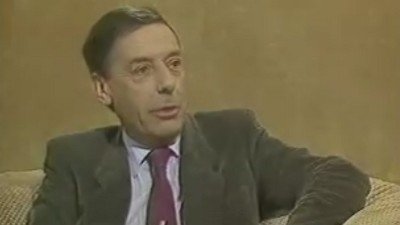
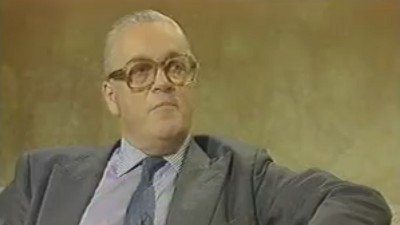
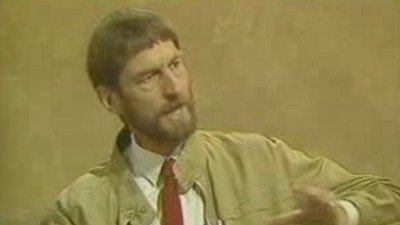
+9 more episodes — open all seasons to browse every episode.
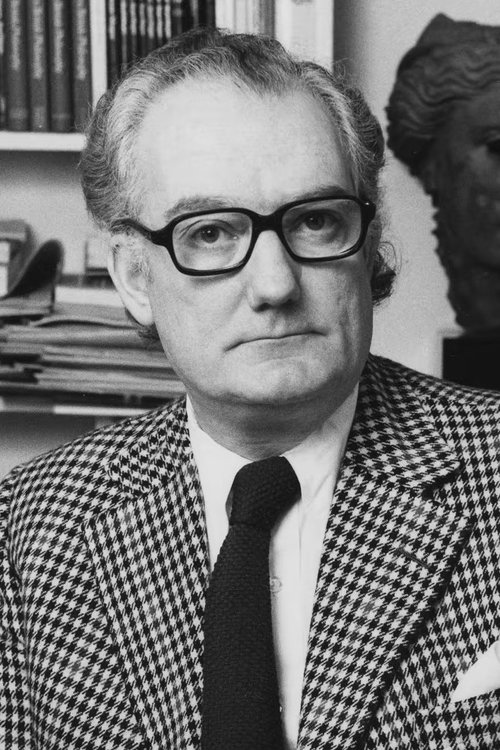
Cast
More like this
Quante Storie· 2016
The Essential Lectures of Alan Watts· 1972
Una belleza nueva· 2006
Precht· 2012
Horizon· 1964
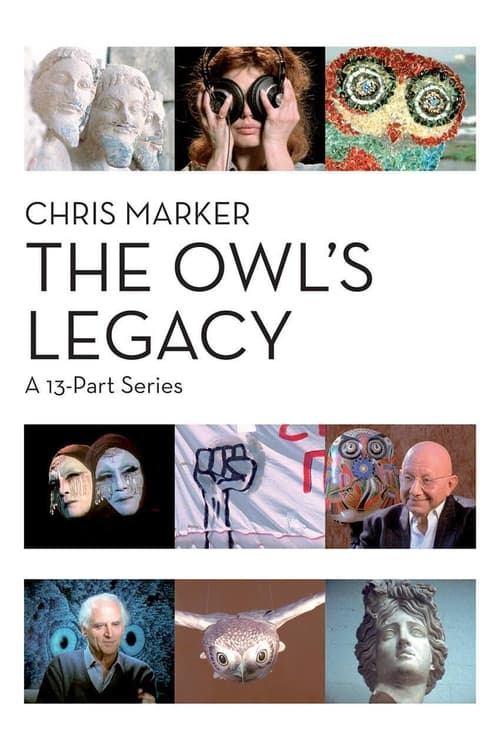
The Owl's Legacy· 1989

Unhappy· 2023

Doggy Bank· 2023
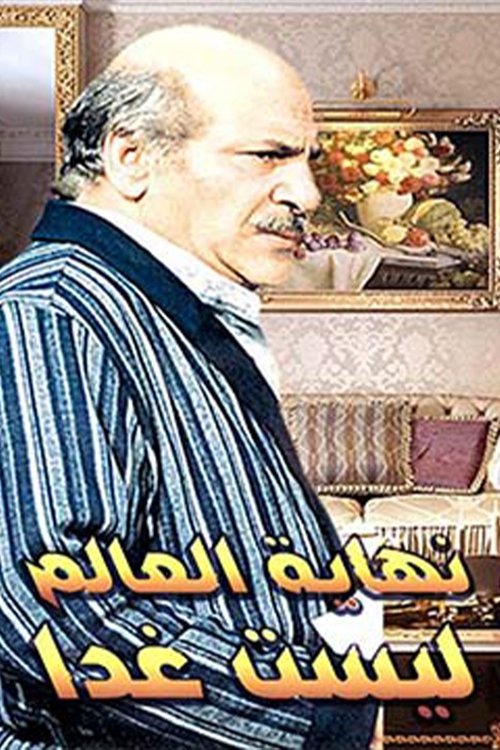
The End of the World is not Tomorrow· 1983
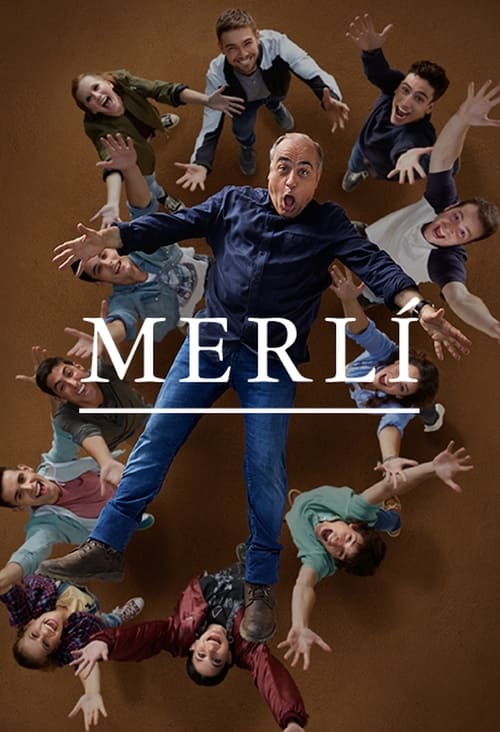
Merlí· 2015
From Aristotle to Hawking· 2007

180 Degree Longitude Passes Through Us· 2022

To Your Eternity· 2021
Philo Pop· 2022

Wanderlust· 2016
The Greeks: Crucible of Civilization· 2000
Philosophy: A Guide to Happiness· 2000
Testing God· 2001