
Van de Schoonheid en de Troost
- 2000
- Ended
- Documentary
- ~40h / ep
- 1 season
To his guests – artists, scientists, writers, philosophers and musicians – Wim Kayzer in Of Beauty and Consolation asks the philosophical question: What makes this life worth living?
Latest: Season 1 · 2000
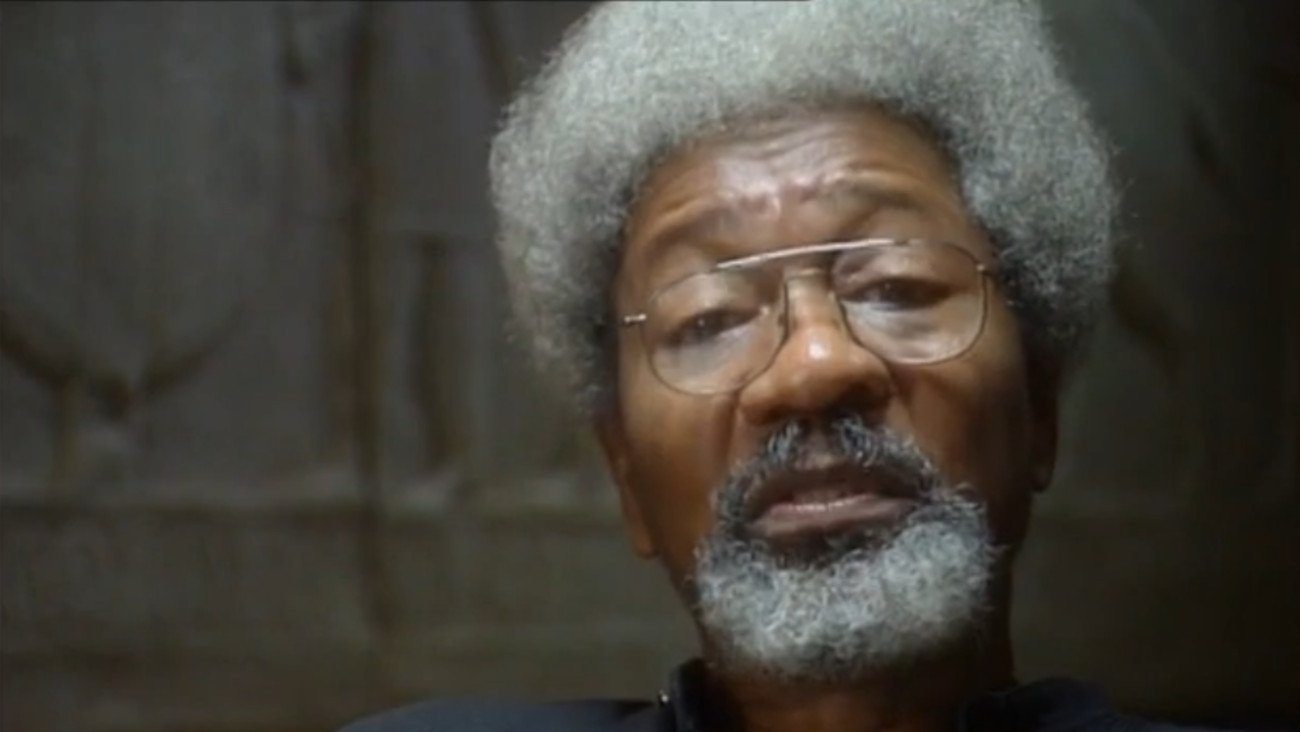
View all seasonsE1. Fathers Roses: Wole Soyinka
Jan 2, 2000 · 79m
The African Nobel Prize winner for literature 1986 reflects on beauty and consolation during the civil war and his imprisonment during the military coup in Nigeria (1966) in which he was politically active. Soyinka tells the story of the singing by the prisoners on an execution day.
E2. Homecoming: Roger Scruton
Jan 9, 2000 · 93m
Reactionary, contrary, controversial: all labels that have been stuck on the British philosopher Roger Scruton over the years. Once a modernist philosopher, Scruton is now averse to modern philosophical movements such as poststructuralism and postmodernism. An important theme in his work is the alienation of contemporary man from the true values of life.
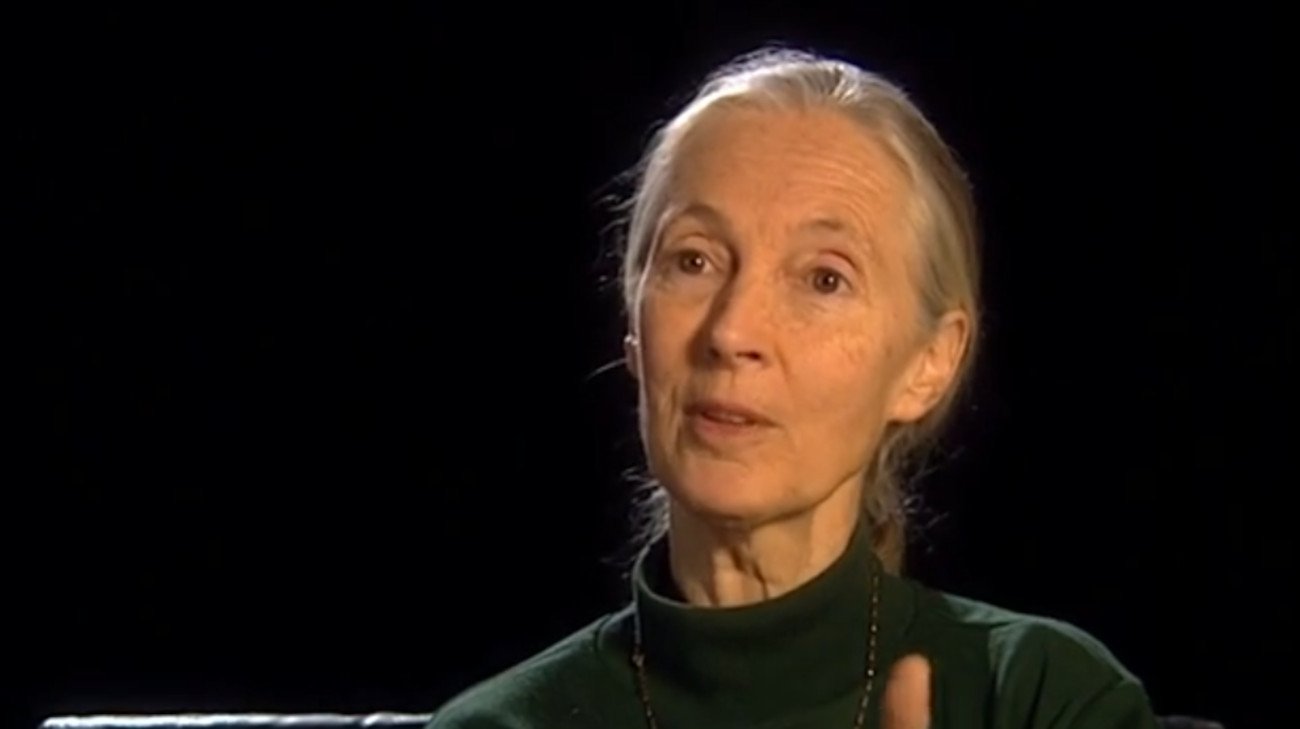
E3. Alone on the mountain: Jane Goodall
Jan 16, 2000 · 80m
Interview with Jane Goodall, British writer and ethologist (in a studio). Goodall left for Africa at the age of 23 and has since been studying a group of wild chimpanzees in Gombe or Gombe Stream National Park in Tanzania. Goodall talks about nature, the rainforest as solace, love, the death of her husband, life after this life, grief, loneliness, mysticism, reconciliation, ecstasy, peacefulness, chimpanzees, telepathy, life goals, beauty, spiritual evolution, God, hope, awareness of death, fear, humor and dogs.
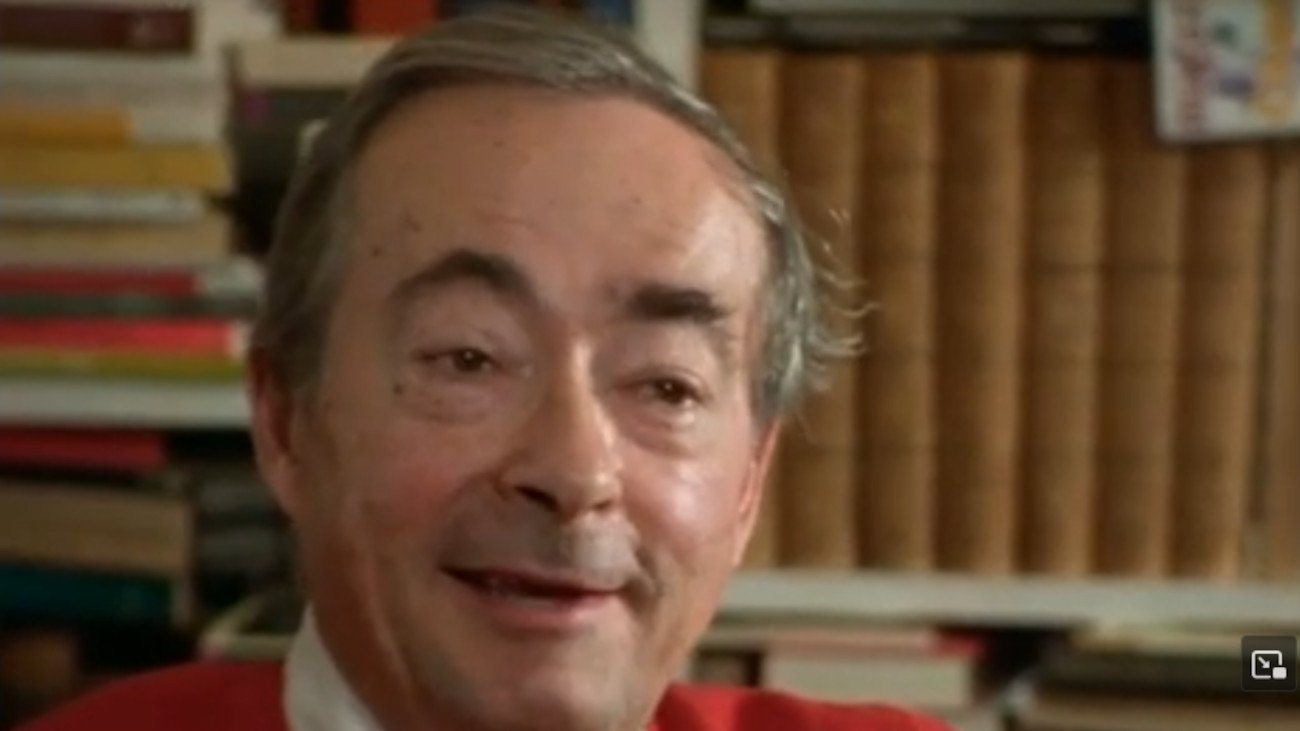
E4. The Code of Pasternak: George Steiner
Jan 23, 2000 · 80m
Interview with George Steiner, British literary critic and writer (in his home in Cambridge, Great Britain). Steiner talks about beauty, solace, fear, wonder, memory, his photographic memory and the extinction of collective memory: the fact that readers no longer recognize references in literature. In this context, Steiner reads a fragment from Ernest Hemingway's 'Fiesta: The sun also rises'. He also talks about Chinese wisdom following the excavation and reburial of terracotta statues from graves in Szetsjwan in China, Pasternak's code, the work of Sören Kierkegaard and Martin Heidegger, the innumerability/beauty of detail, the painting 'The Reading Philosopher' by Jean-Baptiste Siméon Chardin, falling in love, love and friendship, his passion for art, literature, music, philosophy, love for animals, humanity, self-knowledge, Franz Schubert, the dark side of life and atrocities such as those committed during the Second World War.
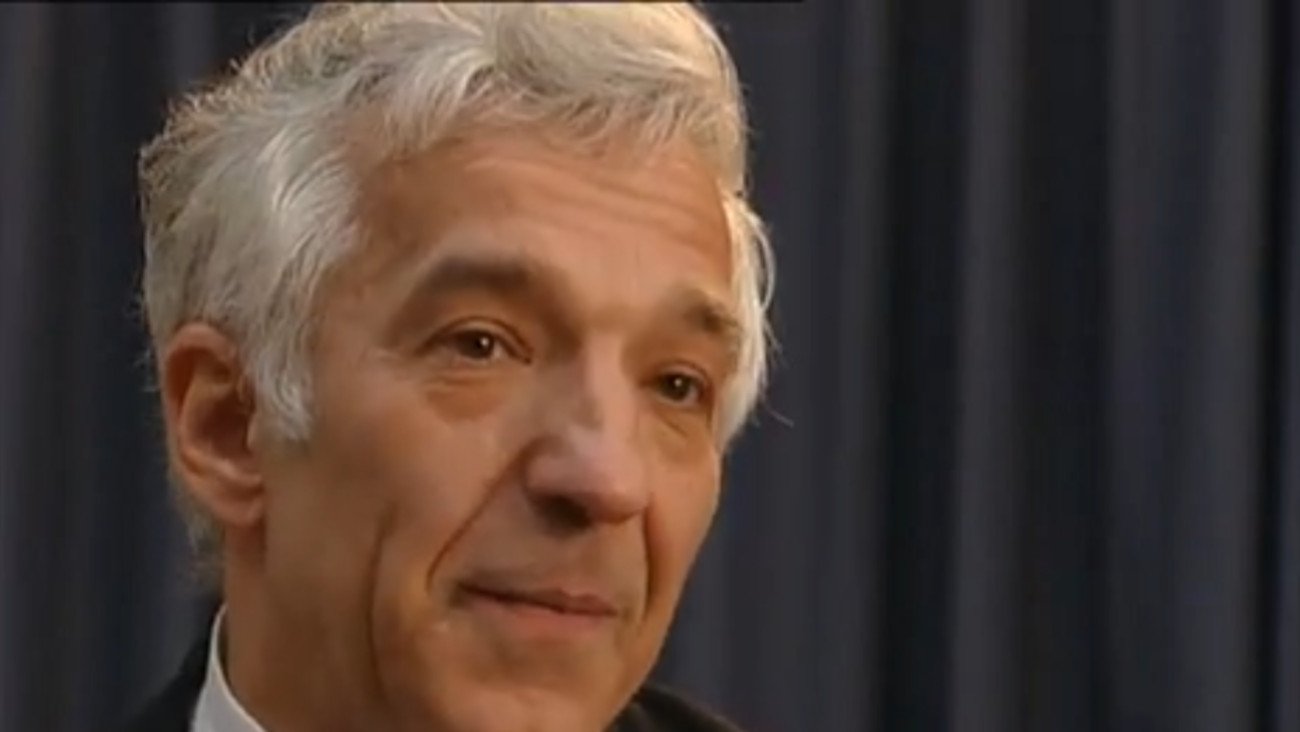
E5. The End of the Thirteenth: Vladimir Ashkenazy
Jan 30, 2000 · 87m
Interview with Vladimir Ashkenazy, Russian pianist and conductor (in the large rehearsal hall of the Deutsches Symphonie-Orchester in the building of the Sender Freies Berlin on Masurenallee in Berlin). Ashkenzay sits at a piano and talks about beauty, consolation, love and hope. He has chosen a number of pieces of music as examples of beauty and consolation, parts of which he plays at the piano.
E6. Thor, Newton, Einstein: Steven Weinberg
Feb 6, 2000 · 74m
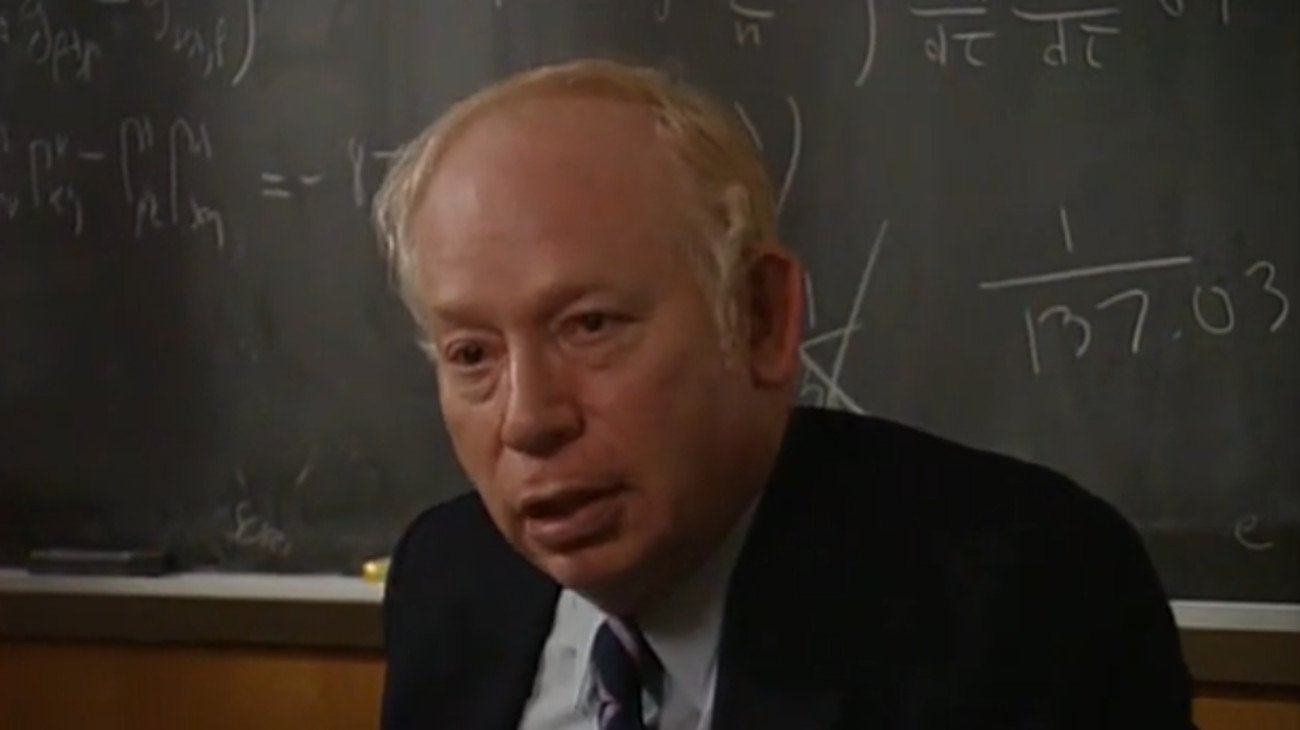
Interview with Steven Weinberg, American theoretical physicist (in his office at the University of Texas in Austin, Texas). Weinberg talks about the demythologization of the world and the consolation for this loss that can be found in the beauty of physical theories. He compares the beauty of the laws of physics (including Albert Einstein's theory of relativity) with perfection in artistic expressions such as the music of Johann Sebastian Bach. Attention is also paid to symmetrical principles, the insoluble question "why?" and the current trend to make something magical out of science. Weinberg explains why he disapproves of this trend. Weinberg's opinion that religion is a myth that will disappear is also discussed.

+21 more episodes — open all seasons to browse every episode.
