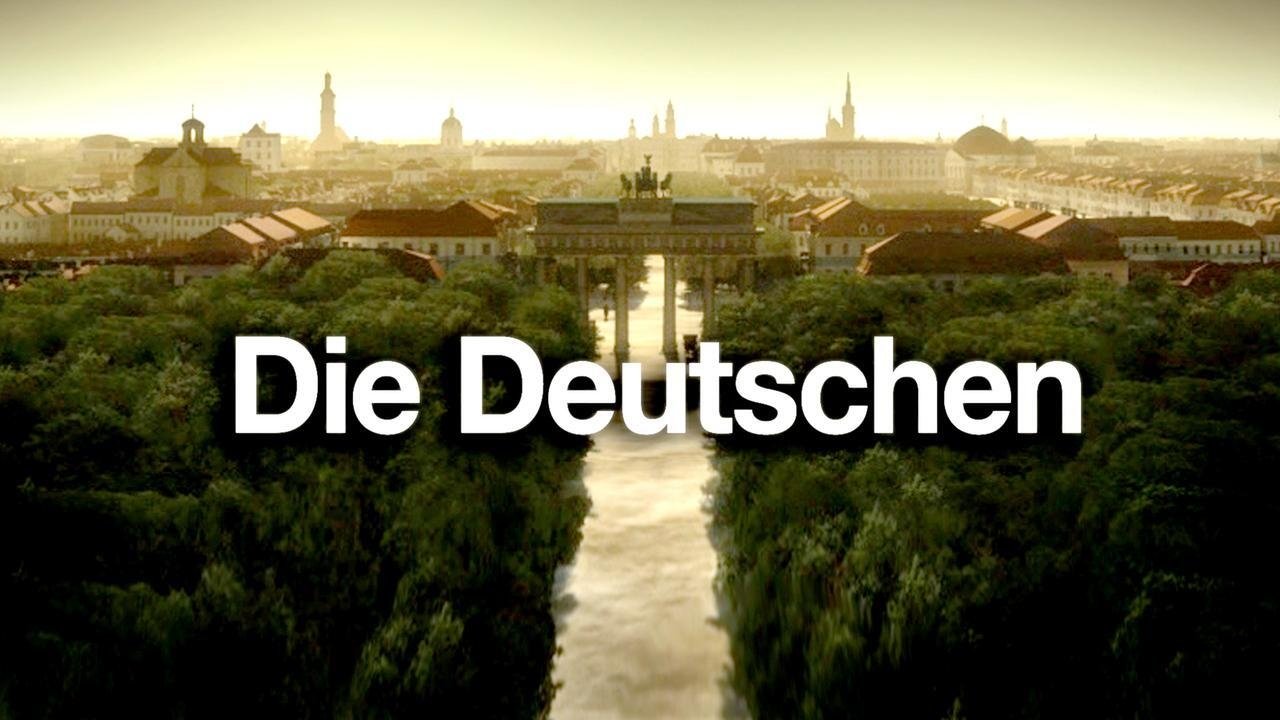

Die Deutschen
- 2008 – 2010
- Ended
- Documentary
- ~43m / ep
- 2 seasons
- 6.9/10
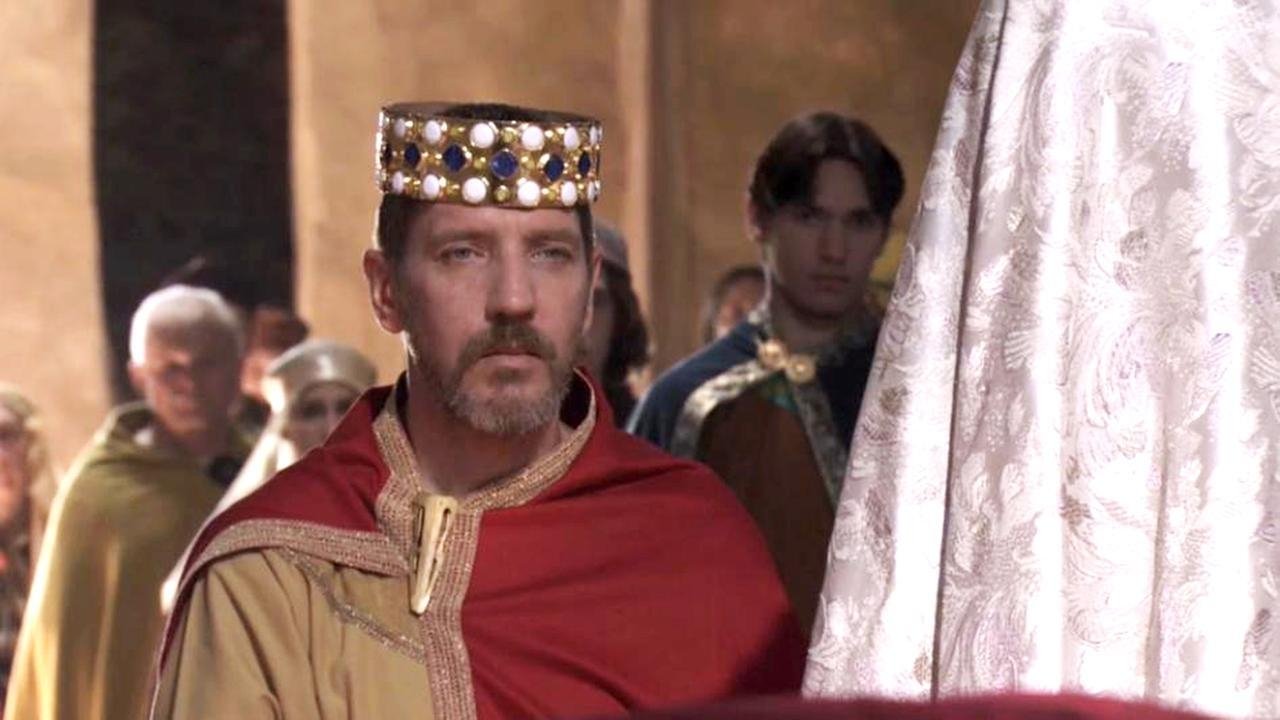
Die Deutschen is a German television documentary produced for ZDF that first aired from October to November 2008. Each episode recounts a selected epoch of German history, beginning with the reign of Otto the Great and ending with the collapse of the German Empire at the end of the First World War. In November 2010 the second season of Die Deutschen was published in German television, beginning with Charlemagne, the Frankish King, and ending with Gustav Stresemann, the Chancellor and Foreign Minister during the Weimar Republic. Historical events are recreated through a combination of live action scenes and computer generated animations. The series was filmed at over 200 different locations in Germany, Malta, and Romania at a cost of approximately €500,000 per episode.
Latest: Season 2 · 2010
View all seasonsE1. Charlemagne and the Saxons
Nov 14, 2010 · 43m
He was already considered the "Father of Europe" by his contemporaries: Charlemagne (probably 748-814). He created a foundation that shaped the continent. Germans and French alike regard the legendary Carolingian as the progenitor.
E2. Frederick II. and the Crusade
Nov 16, 2010 · 43m
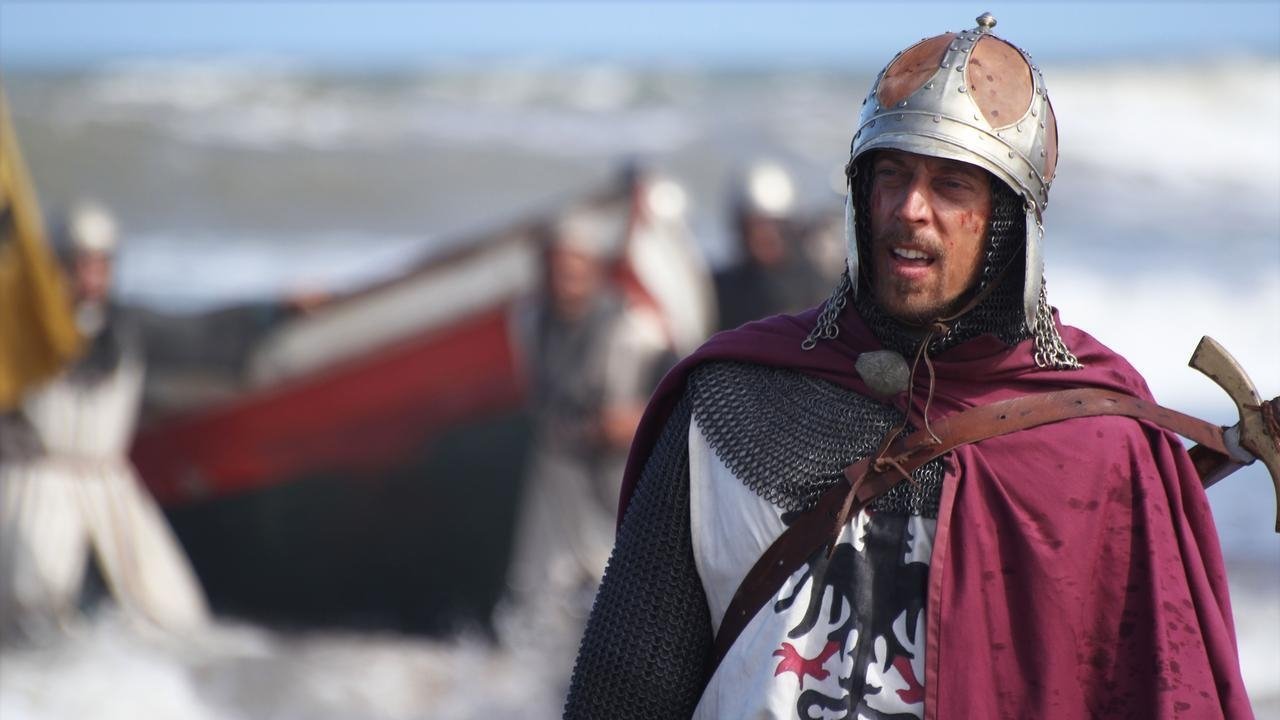
"The wonder of the world" is what some contemporaries called the Staufer Frederick II (1194-1250), whose empire stretched from Sicily to the North Sea coast. In addition to German, he spoke Italian, French, Greek and Arabic, wrote poetry and philosophy, and wrote a book on falconry. As a small child he already possessed the German royal dignity, his mother, Constance of Sicily, had him crowned monarch there. On German soil, a bitter dispute over the throne was once again raging between the Hohenstaufen and Guelph dynasties. Once again, the princely camp was divided, and the pope got involved.
E3. Hildegard of Bingen and the Power of Women
Nov 21, 2010 · 43m
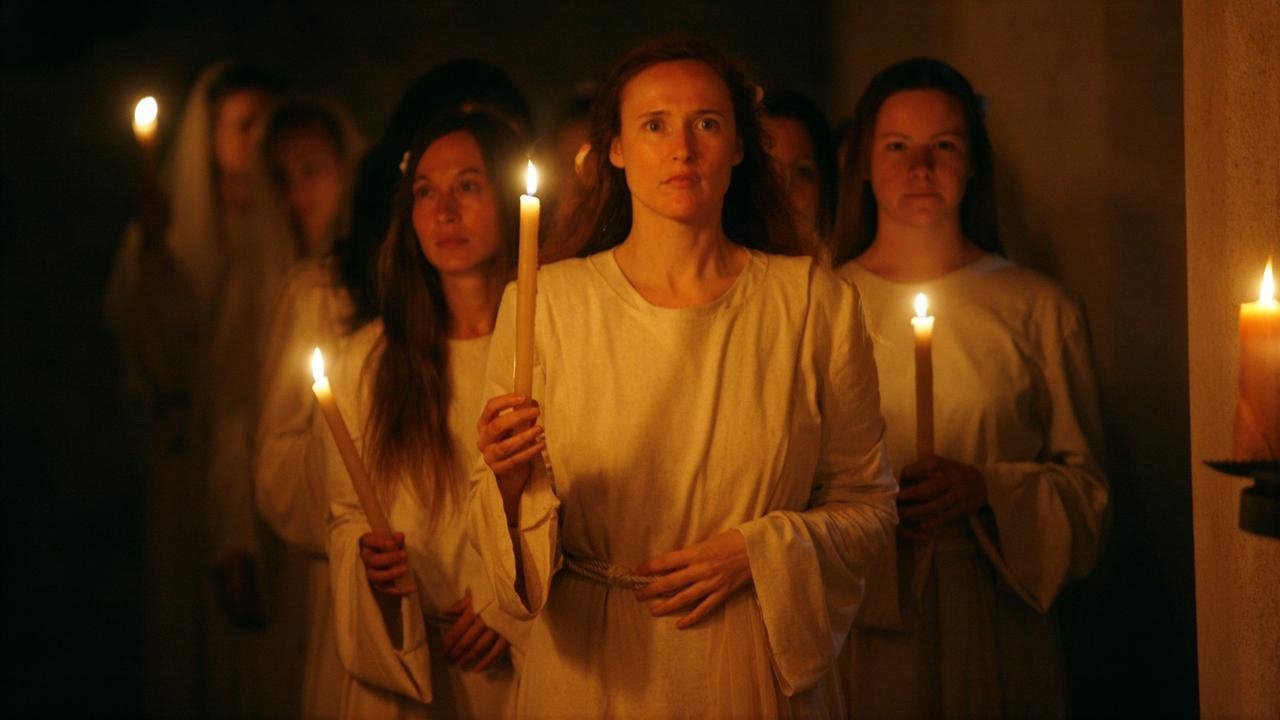
Hildegard von Bingen (1098-1179) is the most popular German of the Middle Ages - on a par with the powerful of her time. She was a visionary, a natural scientist, a politician and composer, a theologian, and even the manager of two monasteries she founded. Many of her writings, especially her knowledge of natural medicine, have lost none of their relevance to this day. Others still raise questions. While some suspect in Hildegard's visions a kind of drug intoxication of the herbalists, others see in it a prophetic gift, even a proof of her holiness.
E4. Charles IV. and the Black Death
Nov 23, 2010 · 43m
The reign of Charles IV (1316-1378) is one of the most dramatic periods in German history. Around the middle of the 14th century, the plague swept away a third of the Germans. The king who ruled during this terrible time was descended from the Luxembourg dynasty. Charles IV was born in Prague in 1316. His father John had married a Bohemian princess and thus became one of the most powerful men in the empire. In 1346, the ambitious Luxembourger succeeded in having his son Charles elected as counter-king to the incumbent Louis the Bavarian by paying horrendous bribes. Charles' position in the empire was initially weak, but the sudden death of Louis, a few months after the election, changed the situation.
E5. Thomas Müntzer and the Peasants' War
Nov 28, 2010 · 43m
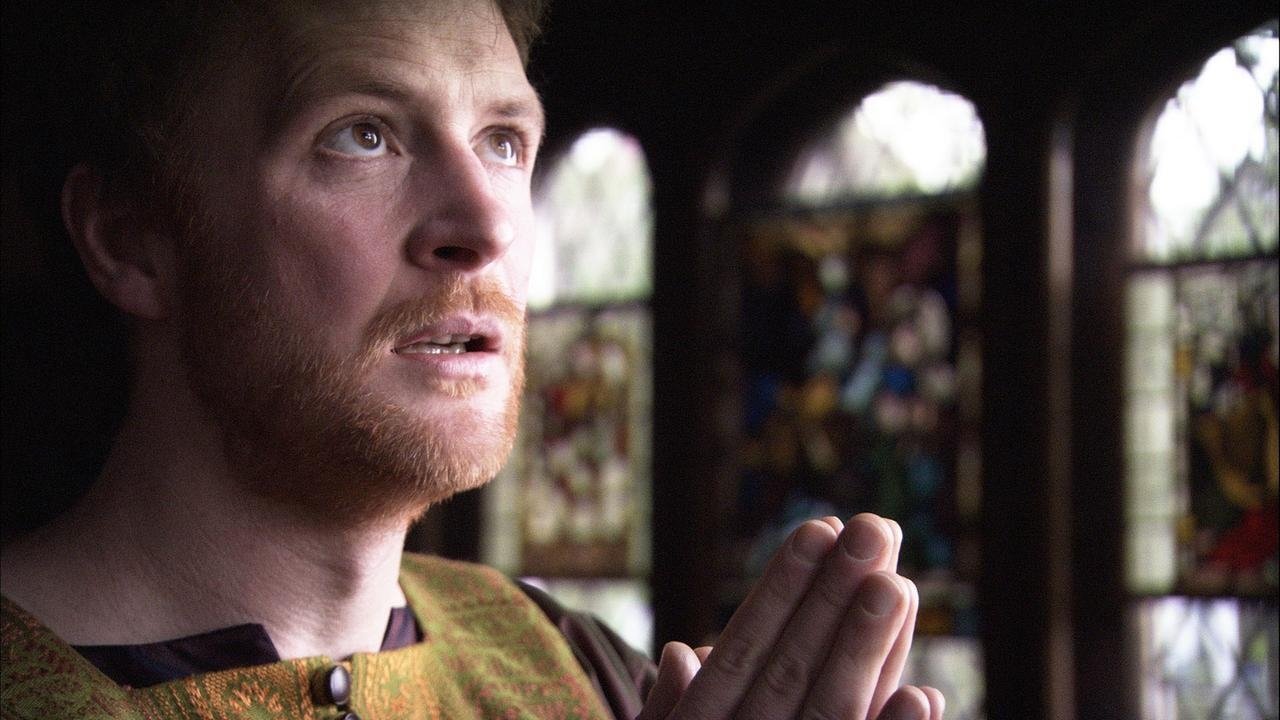
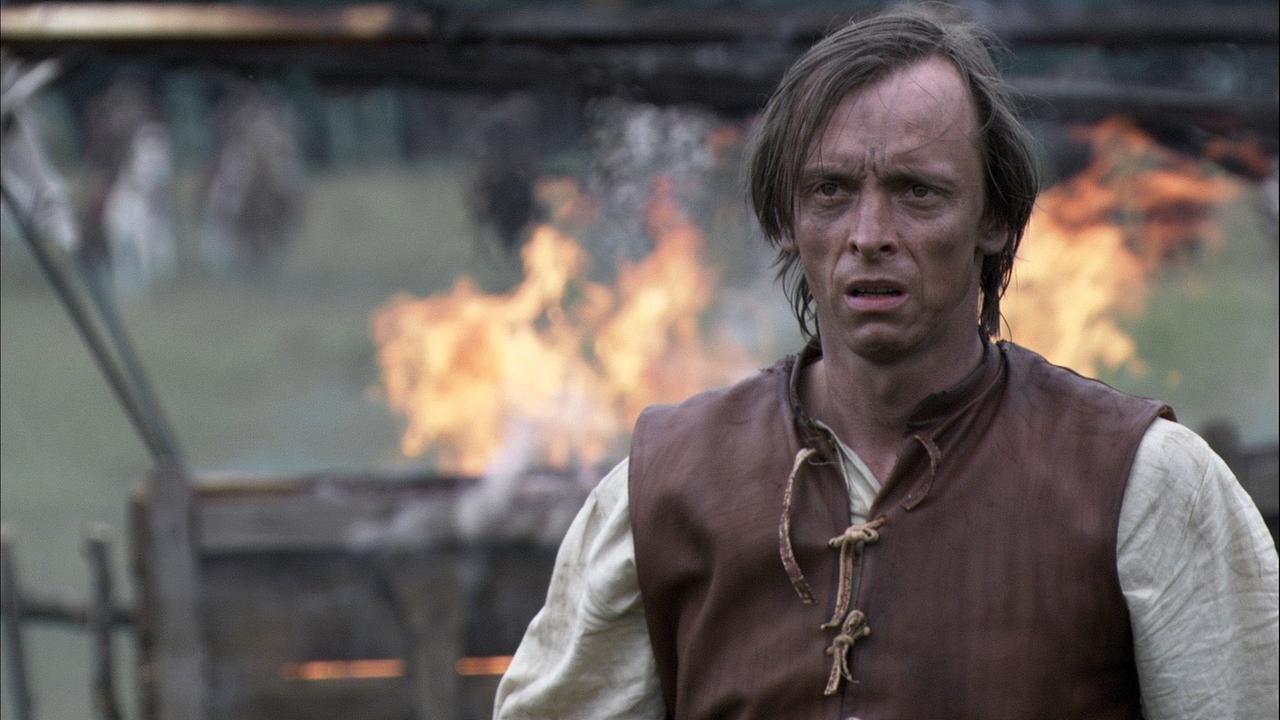
It was the time of upheaval, the Reformation shook the existing order. In 1521, there was turmoil in Zwickau, Saxony: the young priest Thomas Müntzer (1489-1525), who preached at St. Mary's Church, turned against the ecclesiastical and secular authorities and demanded the God-given right to freedom and equality for all people. Müntzer was not a man of compromise. The church criticism of Luther, whom he had once admired, did not go far enough for him. Not only the papacy but also the secular order based on the estates were a thorn in his side.
E6. Augustus the Strong and Love
Nov 30, 2010 · 43m
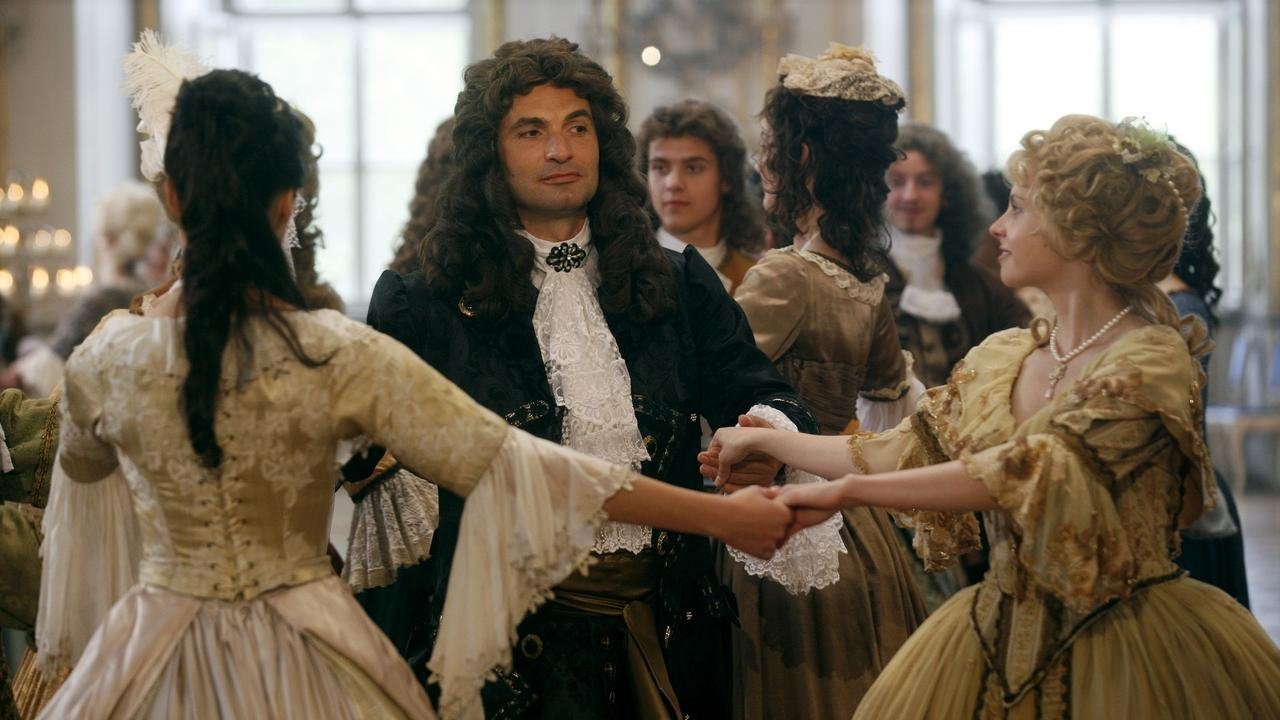
He is considered one of the most enigmatic monarchs of modern times: Elector Friedrich August I of Saxony, known as "August the Strong" (1670 to 1733). His princely self-portrayal was comparable only to that of another European monarch: Louis XIV. August's court was to be in no way inferior to that of the French Sun King. Hundreds of festivities a year, balls, masquerades and animal hatches were organized by the king.
+4 more episodes — open all seasons to browse every episode.