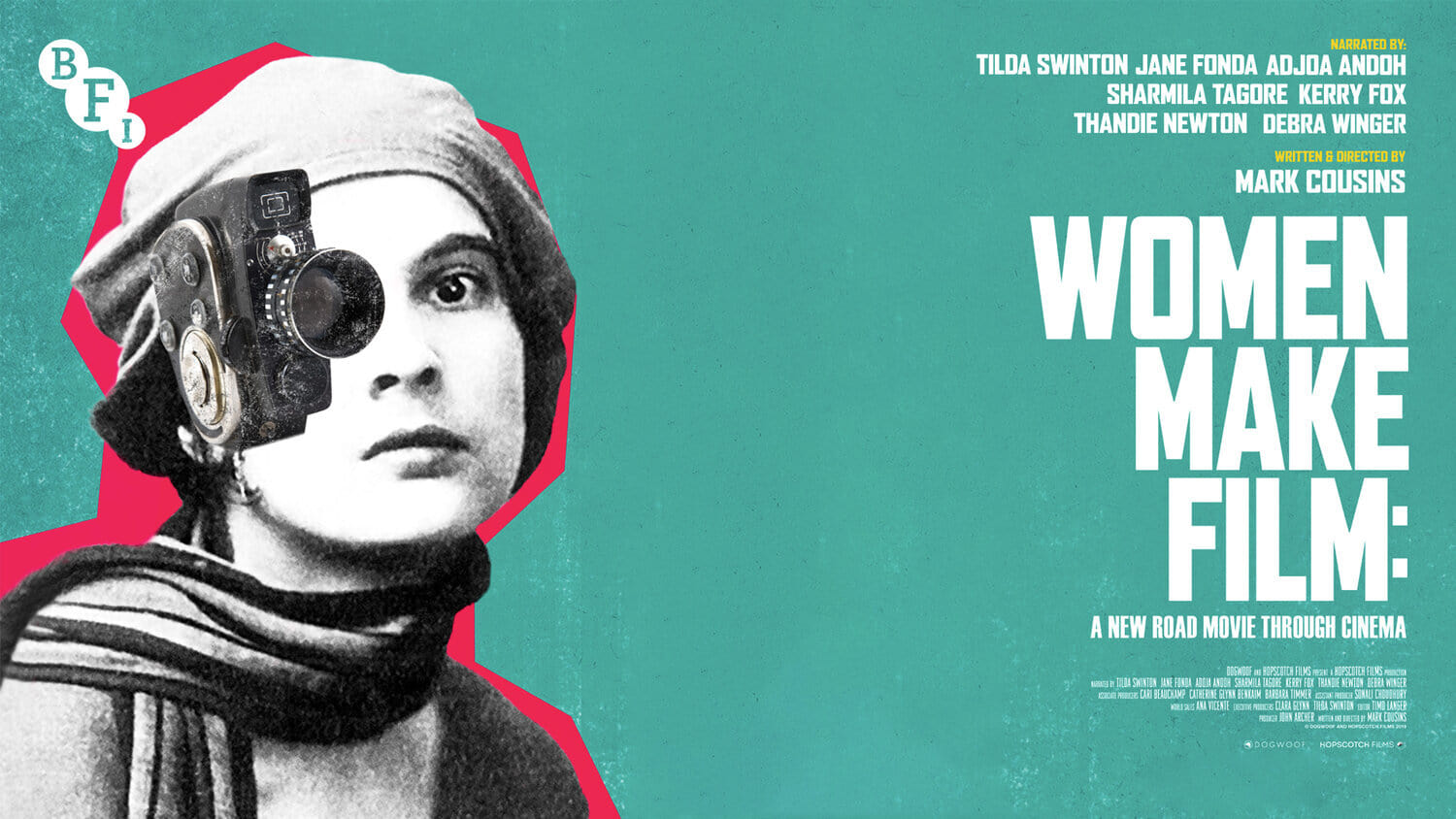

Women Make Film: A New Road Movie Through Cinema
- 2020
- Ended
- Documentary
- ~1h / ep
- 1 season
- 7.0/10
As told through clips from 183 female directors, this epic history of the cinema focuses on women's integral role in the development of film art. Using almost a thousand film extracts from thirteen decades and five continents, Mark Cousins asks how films are made, shot and edited; how stories are shaped and how movies depict life, love, politics, humour and death, all through the compelling lens of some of the world's greatest filmmakers -- all of them women.
Latest: Season 1 · 2020
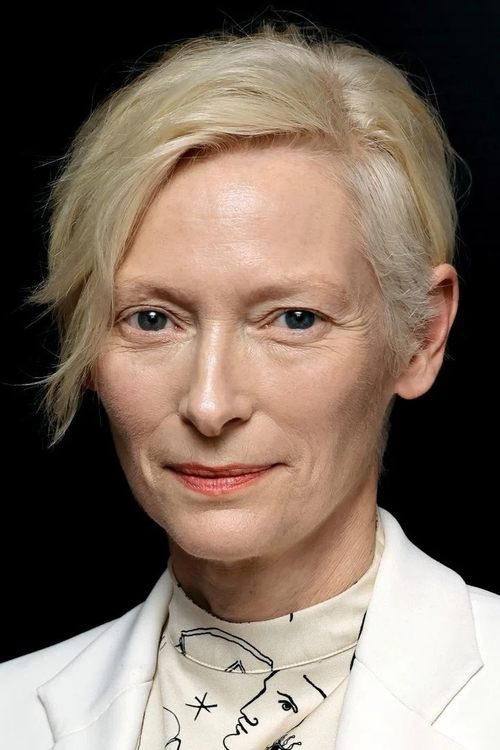
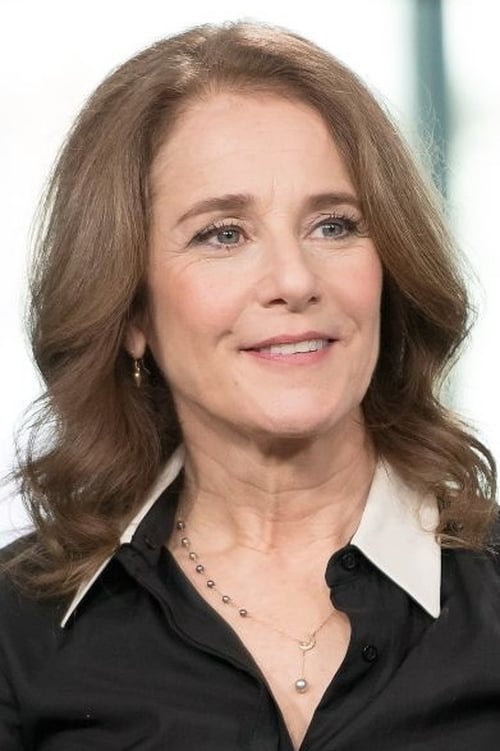
View all seasonsFive years in the making, this epic journey through film history is made up of forty "chapters" narrated by Tilda Swinton, Jane Fonda, Adjoa Andoh, Sharmila Tagore, Kerry Fox, Thandie Newton, and Debra Winger. The series follows in the footsteps of Mark Cousins's The Story of Film: An Odyssey to give us a guided tour of the art and craft of the movies. Using almost a thousand film extracts from thirteen decades and five continents, Cousins explores how films are made, shot, and edited; how stories are shaped; and how movies depict life, love, politics, humor, and death through the compelling lens of some of the world's greatest directors -- all of them women.
E1. Openings, Tone
May 18, 2020 · 63m
"Openings". With examples from 1943 to 2013, from China to Iran, Australia to Finland, we look at how to open a film: from mysterious, direct, floating, foreboding beginnings to plunging straight in. All are instructive in how to create an immediate world. "Tone". What's the tone of a film—not its story or theme, but what its world feels like? This chapter looks at the myriad ways in which directors set the tones of their films: delight, anger, poetry, double tones, moral seriousness, caring, edginess, and violence.
E2. Believability, Introducing Character, Meet Cute
May 18, 2020 · 63m
"Believability". It's easy to spot, but not so easy to understand. Believability is about simple human stories, the truth about life, real emotions, and responding to the world. How do directors create a reality without it feeling fake? True stories can help. But what's the trick? "Introducing Character". Going to a house, overhearing people, witnessing bizarre action -- there are many ways to meet people and be introduced to characters in films. "Meet Cute". The classic Hollywood trope of a "meet cute" invites a variety of interpretations, from intimate glimpses to worlds colliding spectacularly.
E3. Conversation, Framing, Tracking
May 18, 2020 · 63m
"Conversation". A basic human interaction -- how to make it cinematic? "Framing". Frames describe and paint the scenes. They shape the cinematic world. "Tracking". Tracking shots are to many an essence of filmmaking magic. They can ask questions and speak when hardly anyone else in the film is talking. Kinetic in nature, tracking can help dynamically show and express a desperate escape.
E4. Staging, Journey, Discovery
May 18, 2020 · 63m
"Staging". Scene staging is an element of film form pointing clearly to cinema's origin: theater. "Journey". Movement is key to a motion picture, and journeys in film can be horizontal as well as vertical (into the self). Travel can be like glue and bind characters from two different worlds. "Discovery". Discovery and revelation shape some of cinema's most iconic moments. But beyond the best-known scenes, there lies the humanity, craft, and insight of discovery.
E5. Adult/Child, Economy, Editing
May 18, 2020 · 63m
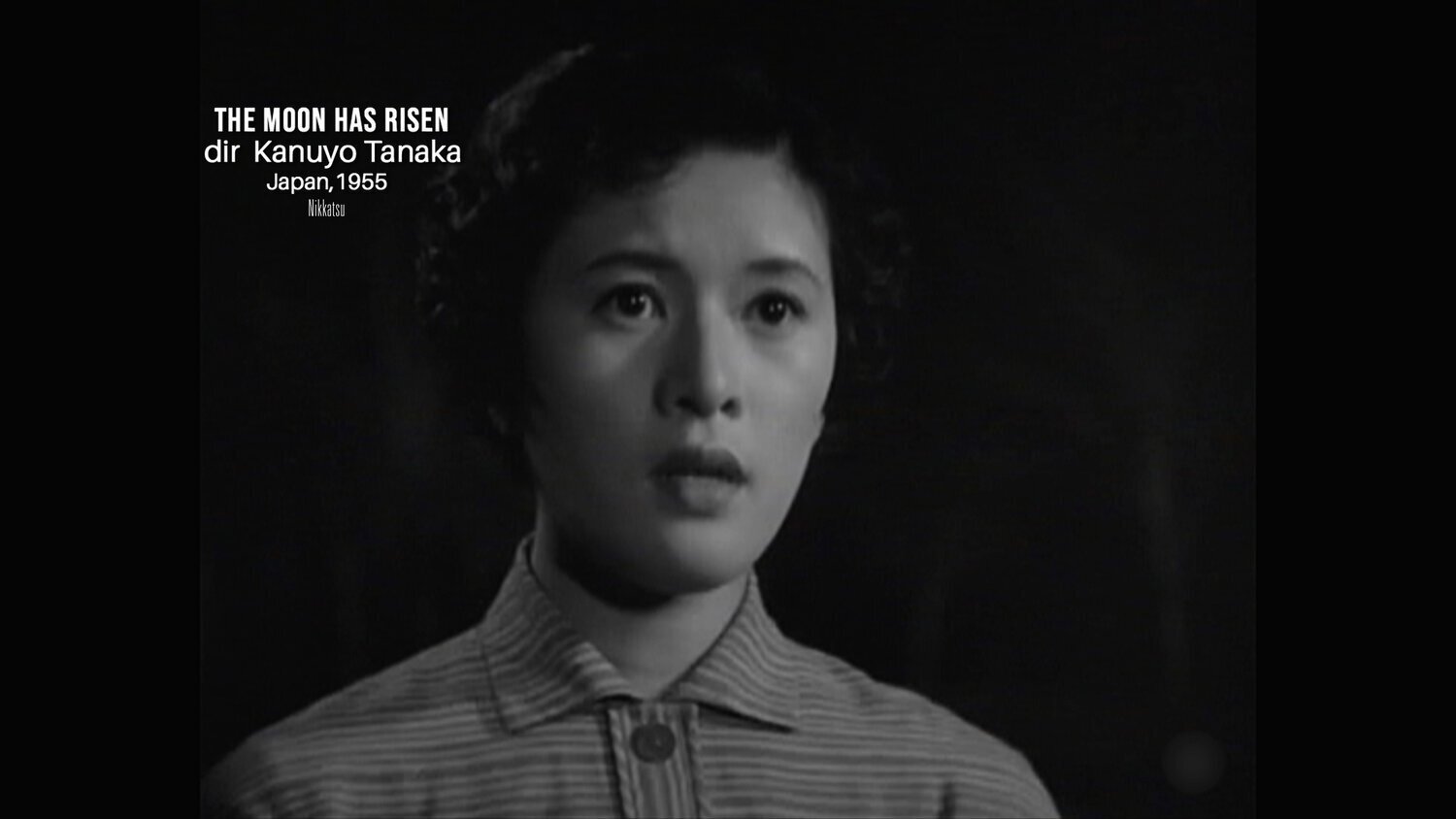
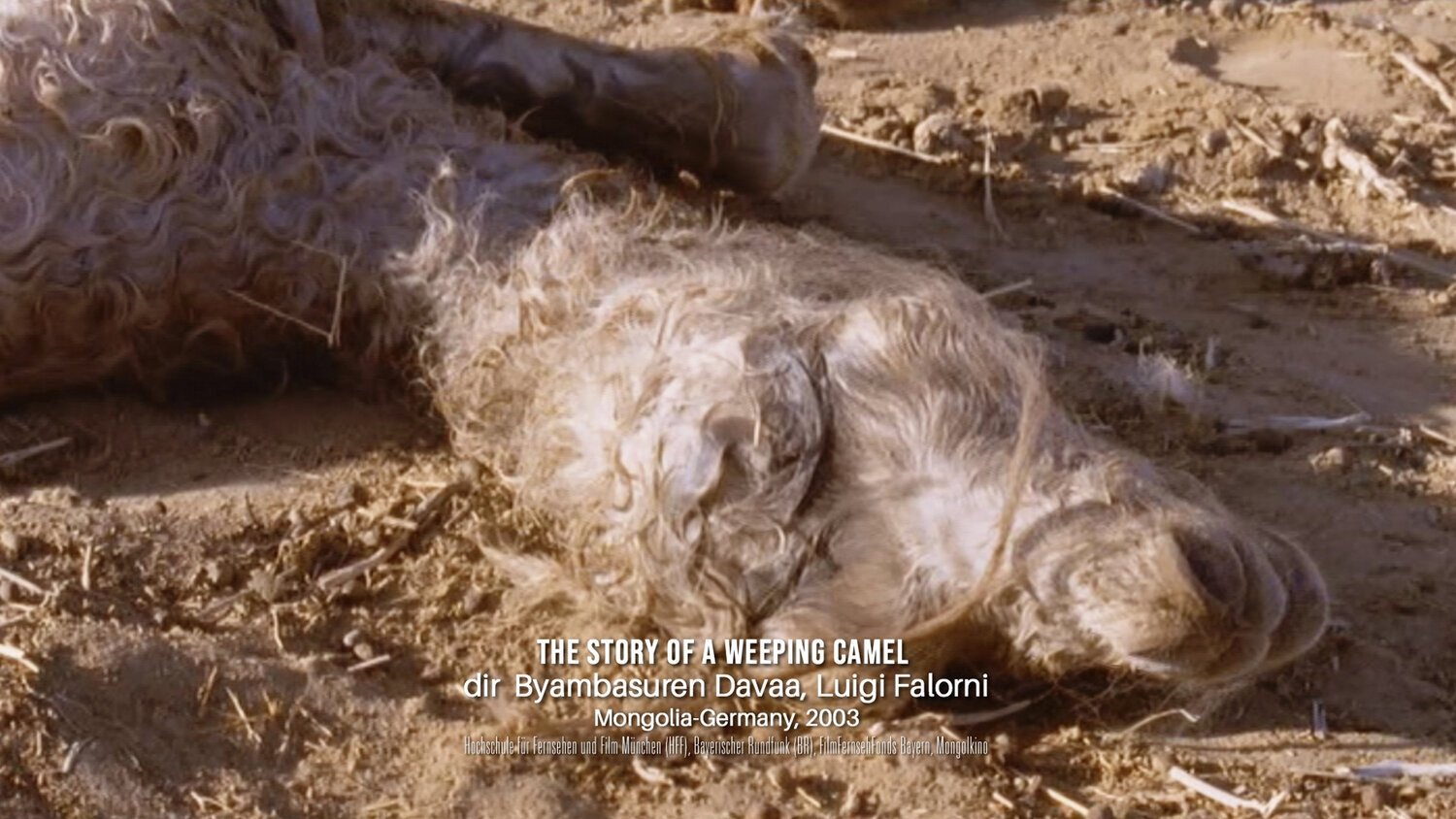
"Adult/Child". Most famous movie genres -- war pictures, westerns, etc. -- are about adults, but in this chapter, Jane Fonda narrates the story of eighteen films about children, from Germany, Belgium, Mongolia, Sweden, Russia, Canada, Senegal, Argentina, and Scotland. "Economy". We've all seen overblown films, but what are the visual and story lessons we can learn from Claire Denis, Maria Louisa Bemberg, Kinuyo Tanaka, Agnès Varda, Valeska Grisebach, and Desiree Akhavan about keeping things simple? "Editing". How have filmmakers like Ava Du Vernay, Kathryn Bigelow, Sarah Maldoror, Leni Riefenstahl, and Drahoméra Vihanová and their editors pushed the techniques of editing to their limits?
E6. POV, Close-up, Dream
May 18, 2020 · 63m
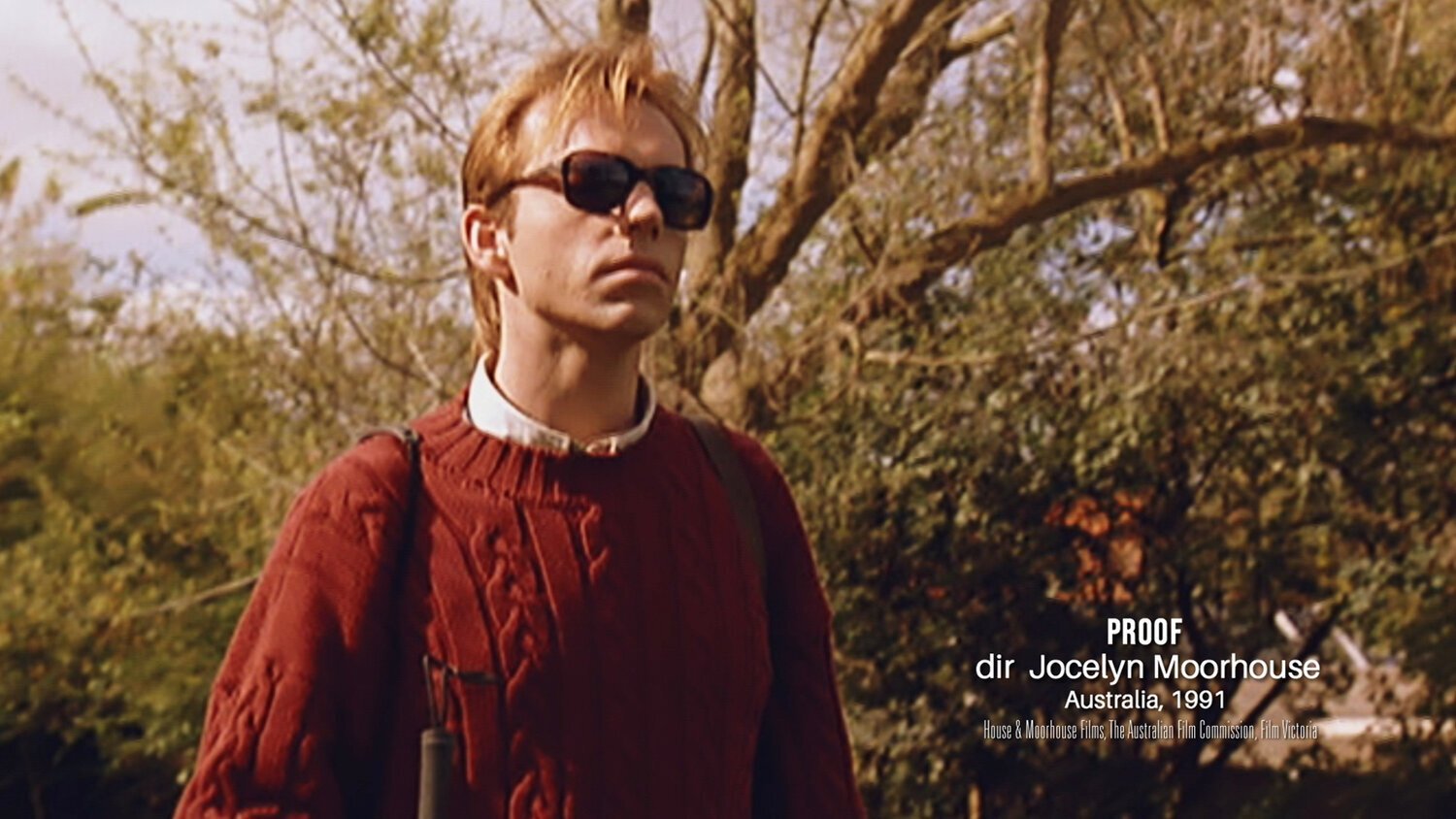
"POV". Is cinema the art of point of view? Jocelyn Moorhouse, Ida Lupino, Edith Carlmar, Sofia Coppola, Liliana Cavani, Kelly Reichardt, Larisa Shepitko, Jennifer Kent, and other great directors demonstrate the art of POV. "Close-up". Films from Belgium, Hungary, Australia, Finland, China, the United States, France, Germany and Ukraine, shot over ten decades, show how close-ups create intensity. "Dream". One of the great movie stars, India's Sharmila Tagore, narrates this bold chapter that looks at dreams in films, including Wayne's World, Jane Campion, Sally Potter, and silent movies.
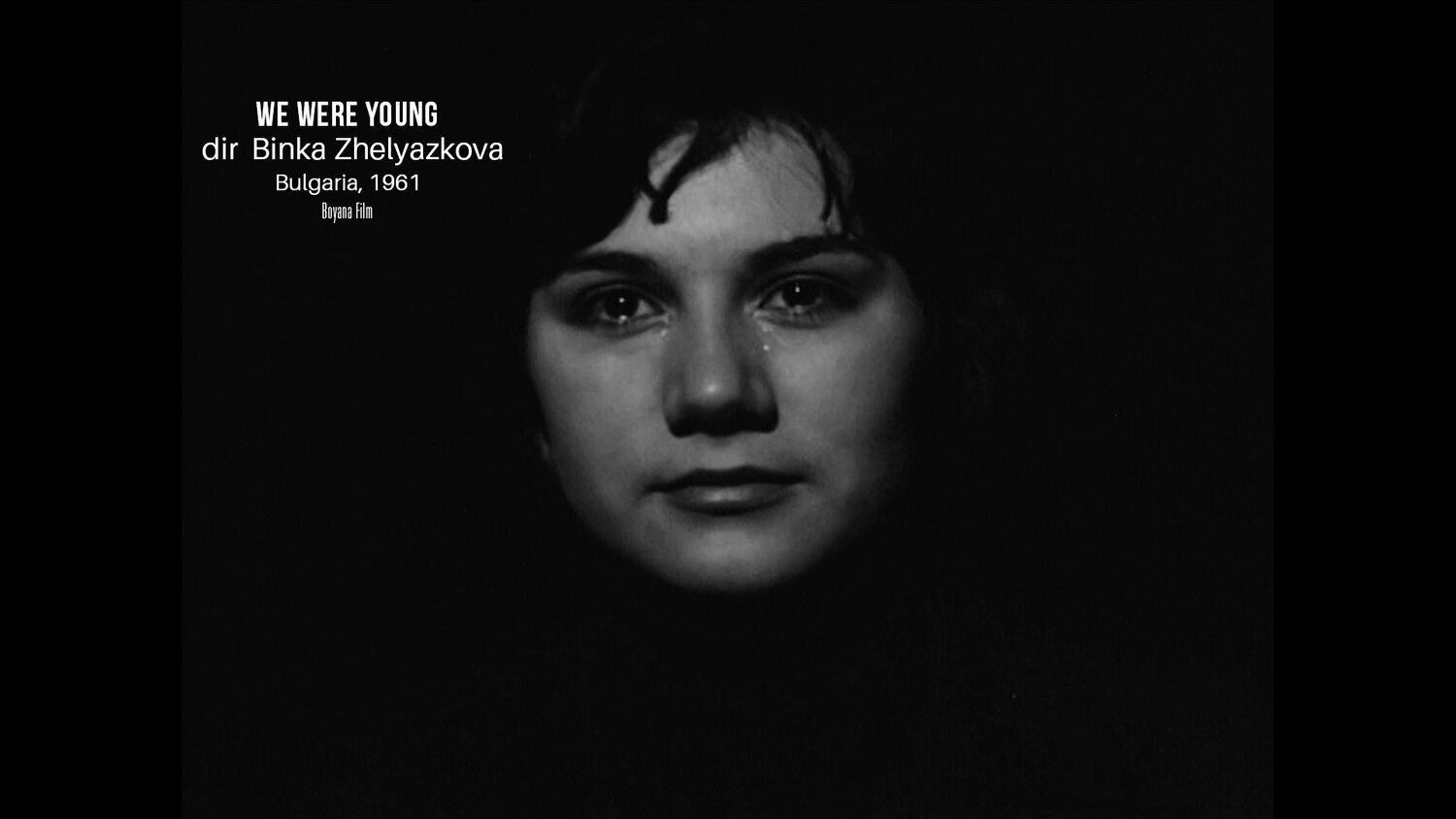
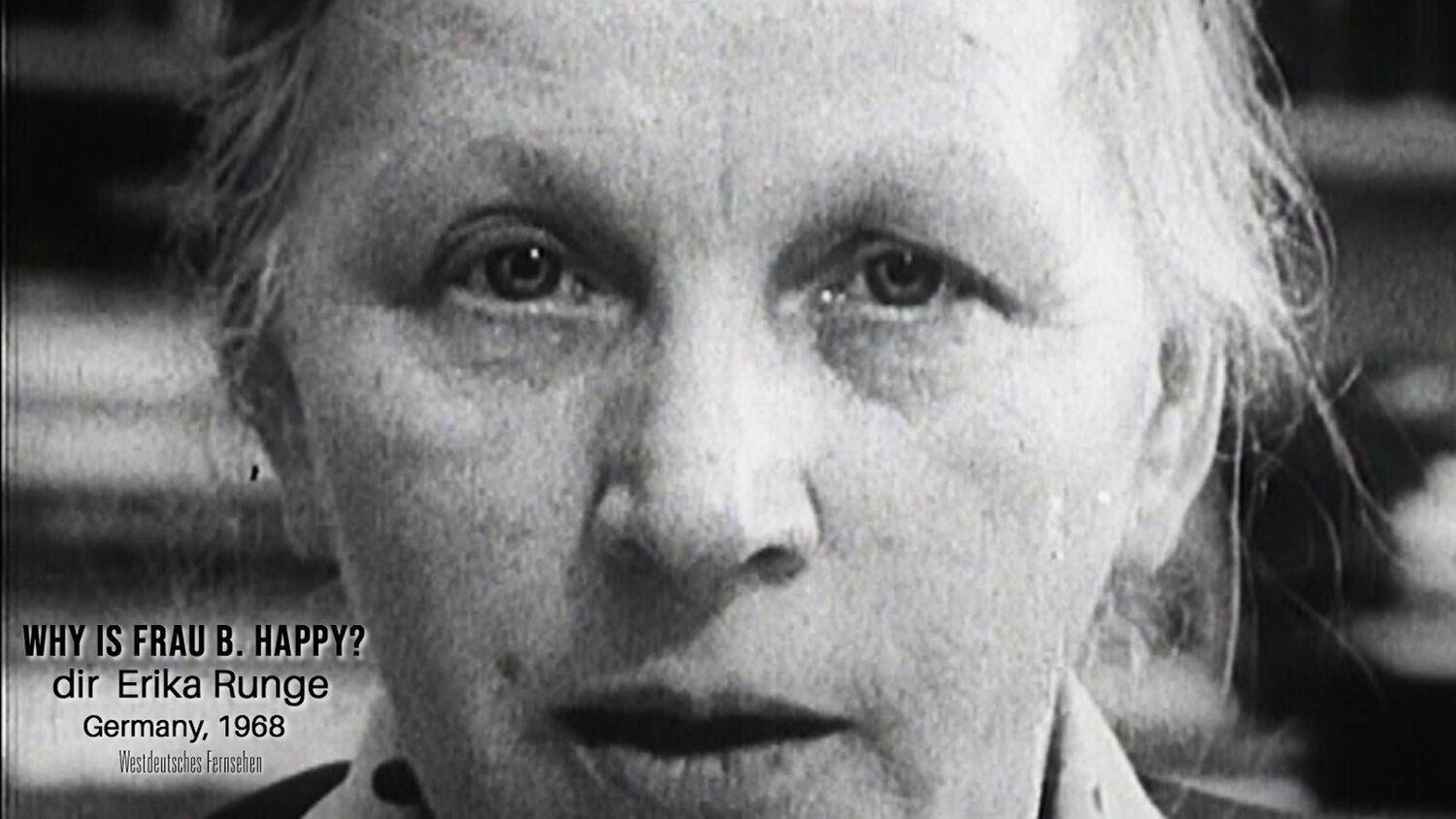
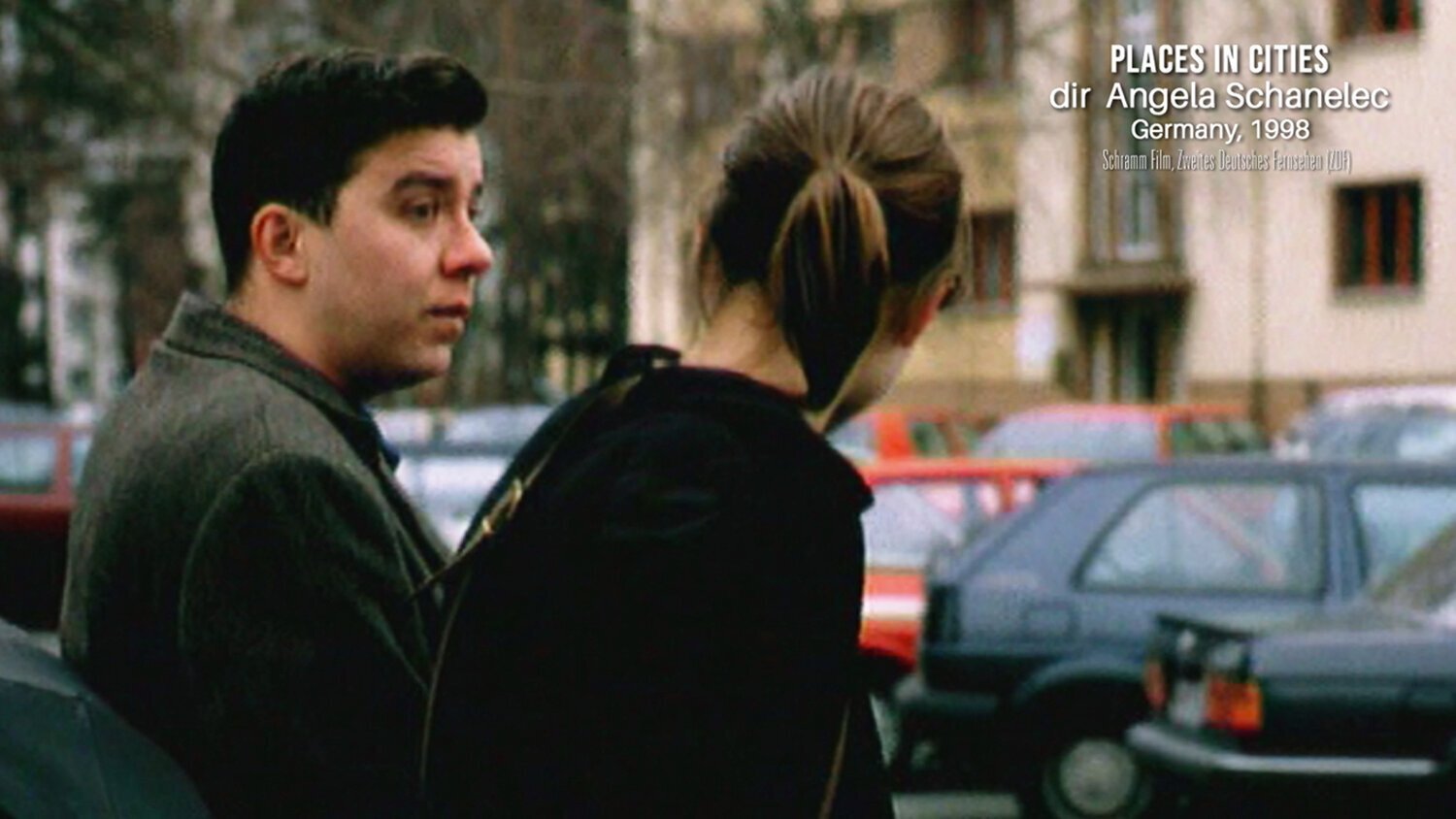
+8 more episodes — open all seasons to browse every episode.
Trailers & more
Cast

More like this
Talking Film· 1978
Histoire des mesures de la vitesse de la lumière· 2006
Murder Among the Mormons· 2021
Magical Caresses· 2022
Earth· 2023

Martin Clunes: Islands Of Britain· 2009

WWE Chronicle· 2018
The American Revolution· 2025
Get The Name Right· 2022
NASA: A Journey Through Space· 2016
Unexplained· 2008

Paris, une histoire capitale· 2012
The Bollywood Story· 1989

New Zealand by Train· 2022

The Betoota Advocate Presents· 2023

Hazardous History with Henry Winkler· 2025
25 from the Sixties, or the Czechoslovak New Wave· 2010
Golden Sixties· 2009