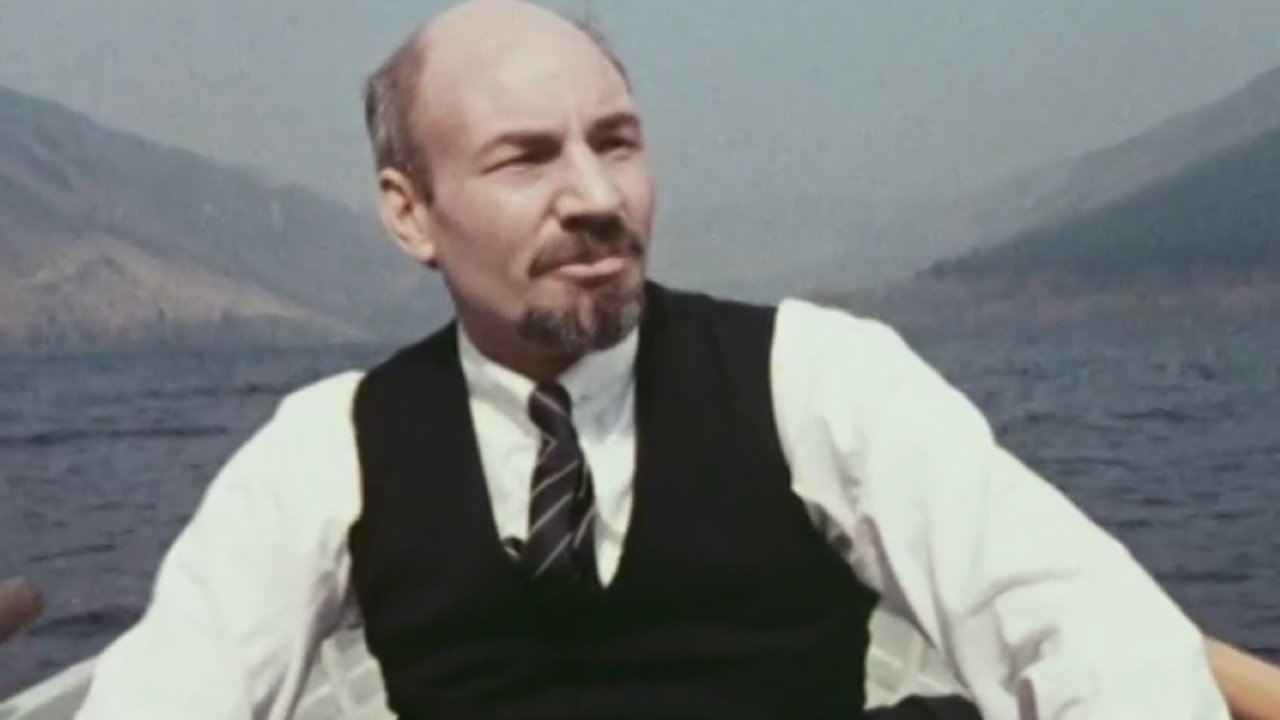

Fall of Eagles
- 1974
- Ended
- Drama
- ~50m / ep
- 1 season
- 7.0/10
"Fall of Eagles" is a 13-part British television drama aired by the BBC in 1974. The series portrays historical events from 1848 to 1918, dealing with the collapse of the ruling dynasties of Austria-Hungary (the Habsburgs), Germany (the Hohenzollerns) and Russia (the Romanovs).
Latest: Season 1 · 1974
View all seasonsE1. Death Waltz
Mar 15, 1974 · 50m
Franz Josef has been Austrian emperor since 1848, yet he remains unmarried five years into his reign. His mother, Archduchess Sophie, is determined to ensure the Habsburg line and favours her niece Helene as the future empress. However, Franz has other ideas and prefers Helene’s 15-year-old sister Elisabeth, whom he marries. She struggles to deal with her new position as empress of Austria, motherhood, and her domineering mother-in-law. Endeavouring to carve some of her own space, she resumes a friendship with her old Hungarian mentor Count Majlath. Her fixation with his country is unwelcome at the court.
E2. The English Princess
Apr 5, 1974 · 50m
In the hope of promoting a liberal and united Germany, Queen Victoria and Prince Albert arrange for their eldest daughter Victoria ‘Vicky’ to marry Prince Frederick ‘Fritz’ of the Kingdom of Prussia. However, despite her love for the heir apparent and their growing family, the British princess is unprepared for the constraints of her new life in Berlin. Her politically liberal views and her influence over her husband clash with those of Otto von Bismarck and the Prussian doctrine of iron and blood. Bismarck wins influence over the Kaiser and surprises Europe with swift victories during the decisive Austro-Prussian War and Franco-Prussian War.
E3. The Honest Broker
Apr 12, 1974 · 50m
With Germany united under Prussia, Bismarck seeks a stabilizing alliance with the Austrians and Russians through the League of the Three Emperors. His plans extend to influencing the Kaiser’s grandson Wilhelm. In 1888, Wilhelm I and his successor Frederick III, both die (the Year of the Three Emperors). Kaiser Wilhelm II rapidly assumes the throne; Bismarck is forced to resign when his policies and political style clash with those of the young emperor. The ageing chancellor seeks support from Vicky, but she spurns him and blames his meddling for her estrangement from her son.
E4. Requiem for a Crown Prince
Apr 19, 1974 · 50m
On 30 January 1889, tragedy strikes the House of Habsburg when liberal Crown Prince Rudolf of Austria-Hungary and his young mistress Baroness Mary Vetsera are found dead at the hunting lodge at Mayerling in the Vienna Woods, 24 km southwest of the capital, in an apparent murder-suicide by Rudolf. In Vienna, and at Mayerling, imperial officials contrive to hide the events of the Mayerling incident to prevent a massive public scandal, misleading the emperor and the empress about the true nature of the deaths. Rudolph’s letters and the report by Professor Widerhoffer finally reveal the truth to the royal couple. The episode, narrated in hindsight, ends with news of the assassination of the Empress in 1898 in Geneva.
E5. The Last Tsar
Apr 26, 1974 · 50m
Tsar Alexander III doubts the ability of his son and heir-apparent, Nicholas, to inherit the Russian throne. The young tsarevich is similarly apprehensive. Despite his longstanding affair with St Petersburg ballerina Mathilde Kschessinska and the disapproval of his mother over his marriage choice, he is resolved to marry Princess Alix of Hesse-Darmstadt, seemingly the suitable match. Traveling to Germany, Nicholas II is supported in this by his relatives, including his cousin Kaiser Wilhelm and Alix’s grandmother, the ageing Queen Victoria of Great Britain. Meanwhile, the autocratic conservatism of the Imperial Government has resulted in discontent among factory workers, under the ægis of the revolutionary Vladimir Lenin.
E6. Absolute Beginners
May 3, 1974 · 50m
Nicholas has now been tsar for nine years and refuses to share his absolute authority with a parliament urged by social reformers. Now married and in London, Lenin is founding his own more radical brand of Marxism and manoeuvres to divide the Russian Social Democratic Labour Party and its publication Iskra from his primary rival Julius Martov. He befriends Leon Trotsky, and despite ill health, at the Second R.S.D.L.P. Congress, Lenin moves to consolidate control. One by one, moderates and liberals are side-lined or expelled, leaving the party split into Bolsheviks and Mensheviks. Meeting at the grave of Karl Marx, many former comrades bid him farewell.
+7 more episodes — open all seasons to browse every episode.

More like this

Star and Sky: Star in My Mind· 2022

Shards of Her· 2022

Rebellious Daughter· 2001
Island at War· 2004

Mr. Mitsuya's Planned Feeding· 2024

Brides of Christ· 1991
Bordertown· 1989
Empress Myeongseong· 2001
The Word· 1978
Kungamordet· 2008

He's Coming To Me· 2019
Takeda Shingen· 1991

The Serial Killer's Wife· 2023

Green Door· 2019

Yearning To Stop The Sunset At The Horizon· 1995

Aema· 2025
The Big Cigar· 2024

As Flowers Fade and Fly Across the Sky· 2017