Devlok With Devdutt Pattanaik
- 2015 – 2016
- Returning Series
- Talk · Reality
- ~22m / ep
- 3 seasons
- 10.0/10
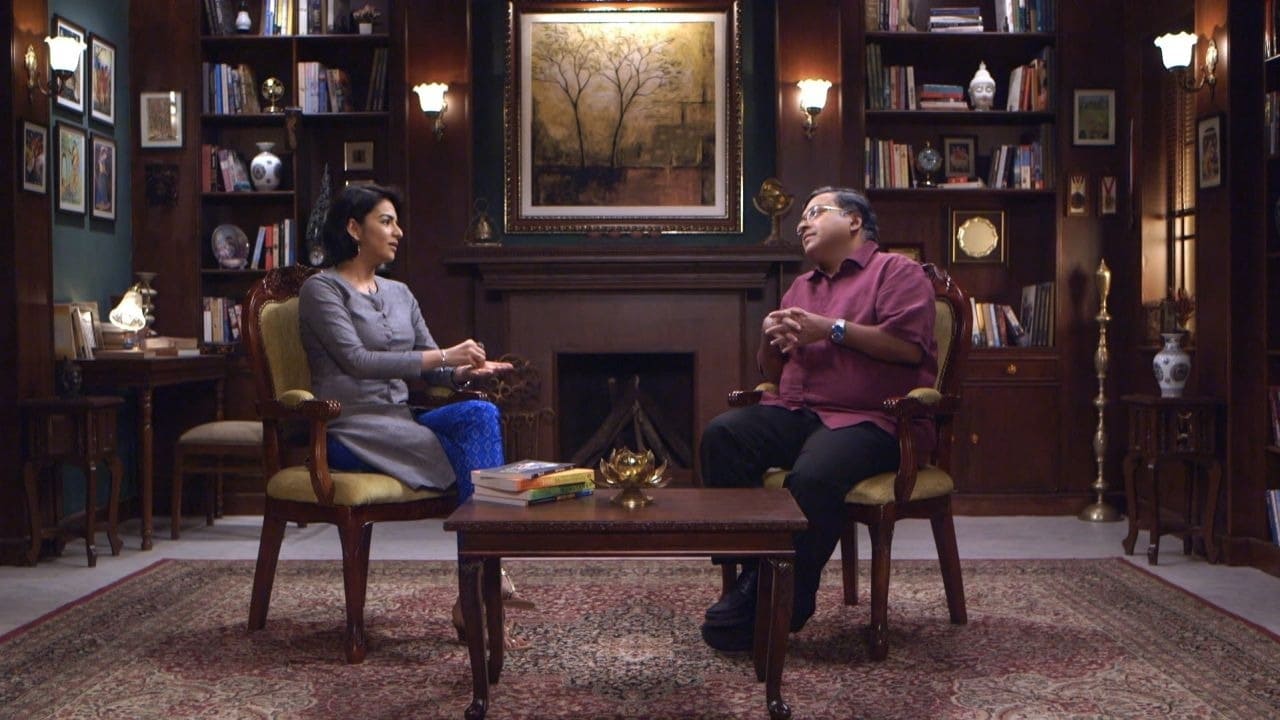
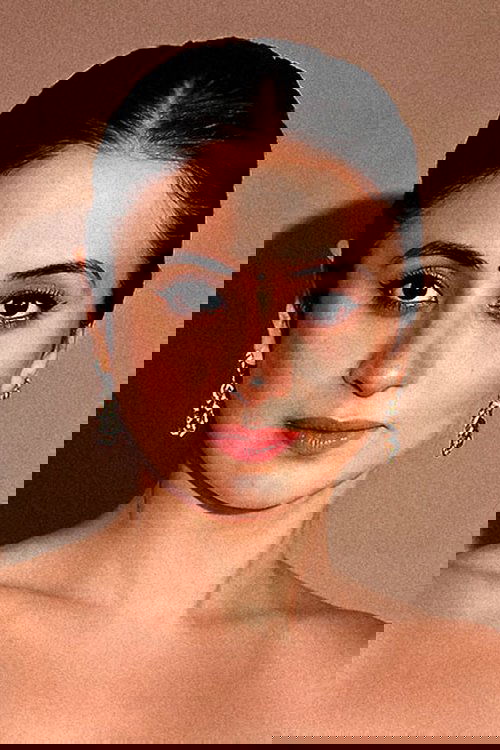
Through chats with host Rasika Dugal, mythologist Devdutt Pattanaik explores the meaning and modern-day relevance of Indian folklore and philosophy.
Latest: Season 1 · 2015
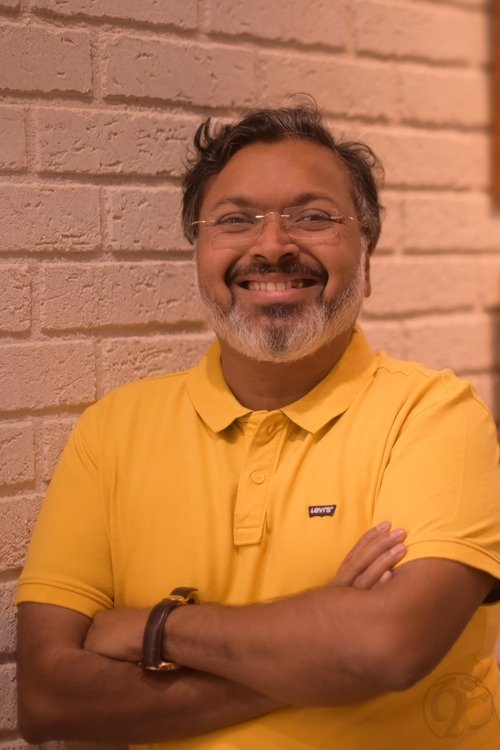
View all seasonsRenowned mythologist Devdutt Pattanaik takes viewers on a voyage of Hindu mythology as he hosts Devlok with Devdutt Pattanaik. The show highlights characters, stories, events and symbols from the religion deciphering their true meaning. Each episode covers one phenomenon from the great texts. From the concept of the Holy Triad Brahma, Vishnu and Shiva to the different avatars of the Goddess Durga, each episode is engaging and addictive making mythology relevant even today.
E1. Ramayana And Mahabharata
Oct 21, 2015 · 24m
Devdutt Pattanaik uncovers the hidden stories of the greatest epics in Hindu mythology, Ramayana and Mahabharata. Like the Sumerians, Hindus wrote poetic stories which focused on the powers of the gods. Ramayana translates to the story of Rama. It is believed that Valmiki, a Brahmin whose style of writing poetry was carried forward from that point on, wrote the epic. Following its main hero Rama on his journey to Lanka, Ramayana praises the heroism and virtues of the Aryan warrior princes. Mahabharata meaning The Great India, is said to be written by a Brahmin Veda Vyasa. It is divided into verses interspersed with passages of prose. A story incorporated into the Mahabharata came to be known as the Bhagvad Gita.
E2. Trimurti
21m
Trimurti translates as three forms. It is an iconographic representation of God in Hinduism which depicts divinity as a threefaced figure. These three faces represent Gods roles of creation, preservation and destruction which are associated with Brahma the Creator, Vishnu the Sustainer and Shiva the Destroyer.Devdutt Pattanaik discusses the three personas and their different modalities in this episode. The trio are assisted in their duties by their consorts, Saraswati, Laxmi and Parvati respectively. The specific gods of the Trimurti each have their own origins in Hindu mythology but the single iconographic representation finds its source in the Vedas. It is only after the arrival of the Puranas that Trimurti becomes a standard doctrine.
E3. Colours
22m
Colors play an important role in Hindu culture and have a deep significance transcending decorative values. Hindus use colors on their deities and their clothes, signifying their qualities. Devdutt Pattanaik introduces the concept of using a specific color for a deity to create an environment that highlights the persona of the god or goddess.Some of the more prominent colors used in our rituals and festivals are red, green and saffron. While goddesses Saraswati and Parvati are seen in red sarees, goddess Laxmi is seen in white. Similarly, sages are seen in saffron. Devdutt does a comparative study on the use of colors by hermits and householders. The legend of the color filled festival, Holi, is also highlighted.
E4. Shiva
24m
Various stories and legends surround the prominent figure, Shiva. He is one of the most powerful gods of the Hindu pantheon and is one of the godheads in the Trimurti. Known as the Destroyer, Shiva is perhaps the most complex of Hindu deities. In this episode, Devdutt Pattanaik talks about Shiva being at the core of the centrifugal force of the universe, because of his responsibility for death and destruction. He is the dissolving force but he dissolves in order to create since death is a mode to rebirth. Thus, life and death, creation and destruction, both reside in Shiva. Devdutt also talks about his various manifestations as Bholenath, Mahadev, Nataraja, Vishwanath and Bhairava.
E5. Jeev Jantu
23m
Hindu mythology boasts of numerous stories of supernatural beings, either fighting against one another for supremacy or joining forces to fight some other being.Devdutt Pattanaik introduces the various supernatural beings from Indian mythology, in this episode. The Hindu universe is divided into different Lokas or worlds and in each world, reside different beings. All of these beings are said to be Brahmas children. Devas reside in DevLok, Asuras live in Paatal, Nagas in NagLok et al. Devdutt does a comparative study of the characteristics of these beings. While Devas are said to be benevolent and debauched, the Rakshasas are shown as mean and ugly. Yakshas are known to hoard everything they get their hands on and Asuras are said to be obsessed with wealth and power.
E6. Indra
20m
Indra Dev is the God of rain and thunder. He is one of the primary gods of the Vedas who all phenomenons of nature.In this episode, Devdutt Pattanaik highlights Indras characteristics of insecurity and jealousy which drive him to sabotage sages meditations and instigate battles between the devas. He also discusses the shift in Indras position from the Vedas where he is considered the king of all devas to the puranas but his position fades as the Holy Triad emerges.
+19 more episodes — open all seasons to browse every episode.
Trailers & more
More like this
Prayer and Reflection· 2025
The Power of Myth· 1988
Life, Death and Reincarnation· 2015
Yakshini· 2024

100% Hindoe?· 2016
Panchatantram· 2018

I Hate My Bath· 2011
Gruen Planet· 2011

Kitchen Cabinet· 2012

TV Tiglon· 2006

Kustbevakarna· 2006

Canadian Country Music Awards· 1982

The Project· 2017

Big City Broker
Making the Band· 2000
Die ARGE Talkshow· 2011

Chaeryeong Goes to K University· 2023

Brasil Legal· 1994